
Automotive telematics is increasingly shaping how vehicles are designed, operated, and financed. The technology, which uses connected sensors and real-time data, is affecting areas from driver safety to fleet efficiency and insurance pricing, according to a company press release from Persistence Market Research (PMR).
PMR is a global market‑research and consulting firm that operates in the UK under the legal entity Persistence Research & Consultancy Services Ltd, a private limited company registered in England & Wales.
Go deeper with GlobalData


Access deeper industry intelligence
Experience unmatched clarity with a single platform that combines unique data, AI, and human expertise.
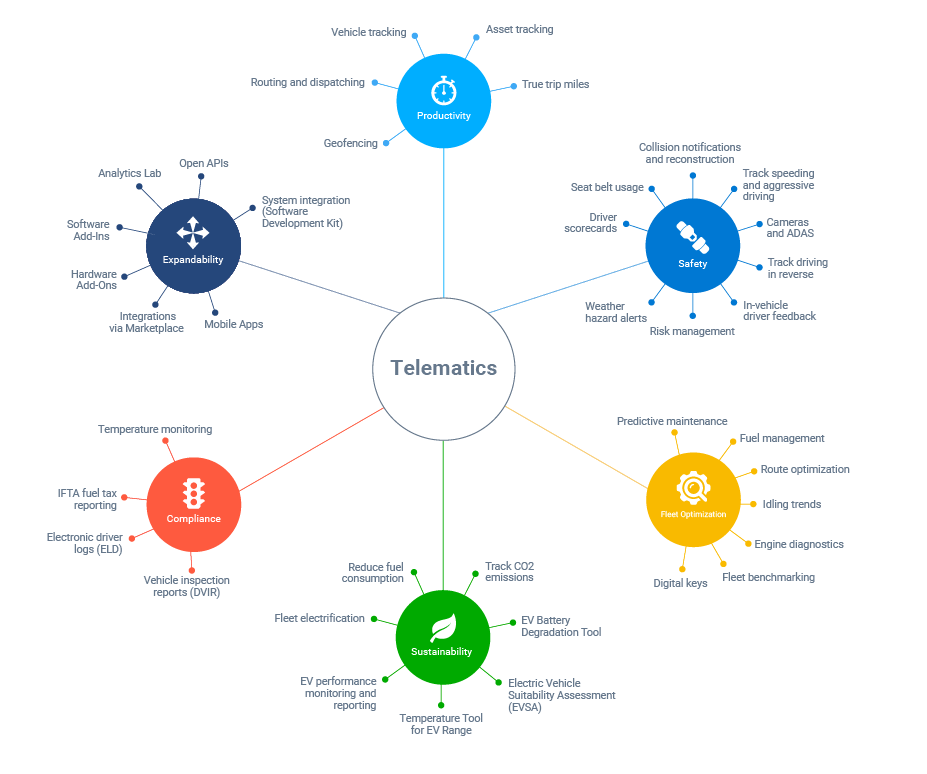
In 2026, telematics systems can alert drivers if they deviate from their lane, detect signs of fatigue, or automatically notify emergency services after a collision. Vehicles now “talk” to each other and surrounding infrastructure, allowing for more responsive safety features and potentially lower insurance premiums based on driving behaviour.
Telematics is also influencing vehicle manufacturing. Automakers are using sensors embedded in components to collect data on material durability and performance during production. This enables virtual testing before vehicles reach assembly lines. The development of digital twins, virtual replicas of vehicles and production system, permits manufacturers to refine designs, simulate production processes, and reduce costly errors.
For fleets, telematics provides real-time insights on location, fuel use, and vehicle health, which can improve operational efficiency. AI-driven systems are increasingly able to optimise delivery routes, predict maintenance needs, and reduce downtime. Companies using telematics report savings of up to 20% on fuel and maintenance costs.
“The ability to analyse telematics data in real time is transforming both vehicle operation and business management,” the press release noted. “It is providing measurable efficiencies across insurance, manufacturing, and fleet operations.”
Looking ahead, experts anticipate deeper integration with smart city infrastructure, enabling vehicles to interact with traffic signals and road sensors. This level of connectivity could reduce congestion, enhance road safety, and support environmentally efficient driving.
Manufacturers are advised to adopt data-first strategies, implement digital twins, collaborate with connected infrastructure networks, and leverage telematics to improve sustainability outcomes.