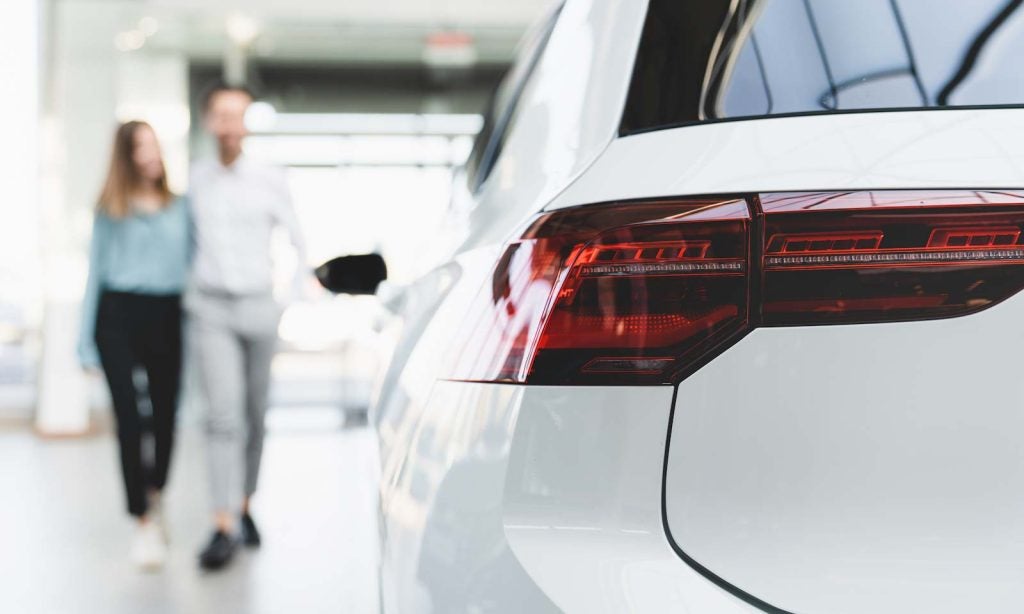
Alternative-fuel vehicles
The key issue for ‘green’, alternative-fuelled cars is
acceptability with the general motoring public, because they will
drive the demand in the used market. The general rule of thumb is
where fleets go, motorists follow, and if fleets move towards
alternative fuels, then used car buyers will move accordingly.
Go deeper with GlobalData


Access deeper industry intelligence
Experience unmatched clarity with a single platform that combines unique data, AI, and human expertise.
It would appear demand is continuing to rise, because average
values for hybrid/electric and LPG-powered cars continue to be well
ahead of expected guide prices, with the few examples BCA handles
always attracting a flurry of bidding.
Consider providing an independent mechanical condition report as
well as a complete service history. If the vehicle needs an MOT
soon after the time of sale, get it done early as this will help
promote buyer
confidence.
Values from the latest BCA Pulse report for September show that
the small number of alternative fuelled vehicles entered for sale
by fleet operators are averaging up to 122 per cent of guide
prices. In comparison, average fleet values for petrol and diesel
are currently around 92 per cent of CAP
Clean.
Demand is actually increasing for hybrid electric/petrol cars
such as the Honda Civic and Toyota Prius, and volumes sold at BCA
have overtaken those of petrol/LPG cars – although numbers remain
small.
It took the very high pump prices earlier this year and on-going
economic woes to really kick-start interest in alternative-fuel
vehicles with private buyers. BCA’s 2008 Used Car Market Report
looked at a number of these issues in tandem and confirmed that
price is the leading motivator for change.
In all, 6 per cent of respondents said environmental
considerations were an influencing factor in their most recent car
purchase – up from 4 per cent last year and 2 per cent in 2006.
Five per cent suggest their next car will be an
alternatively-fuelled car, with the vast majority preferring to buy
used. Over a quarter (28 per cent) of motorists, meanwhile, said
they would move to a car with a lower CO2 emission rating to cope
with proposed changes in VED.
Simon Henstock, UK network operations director, BCA