
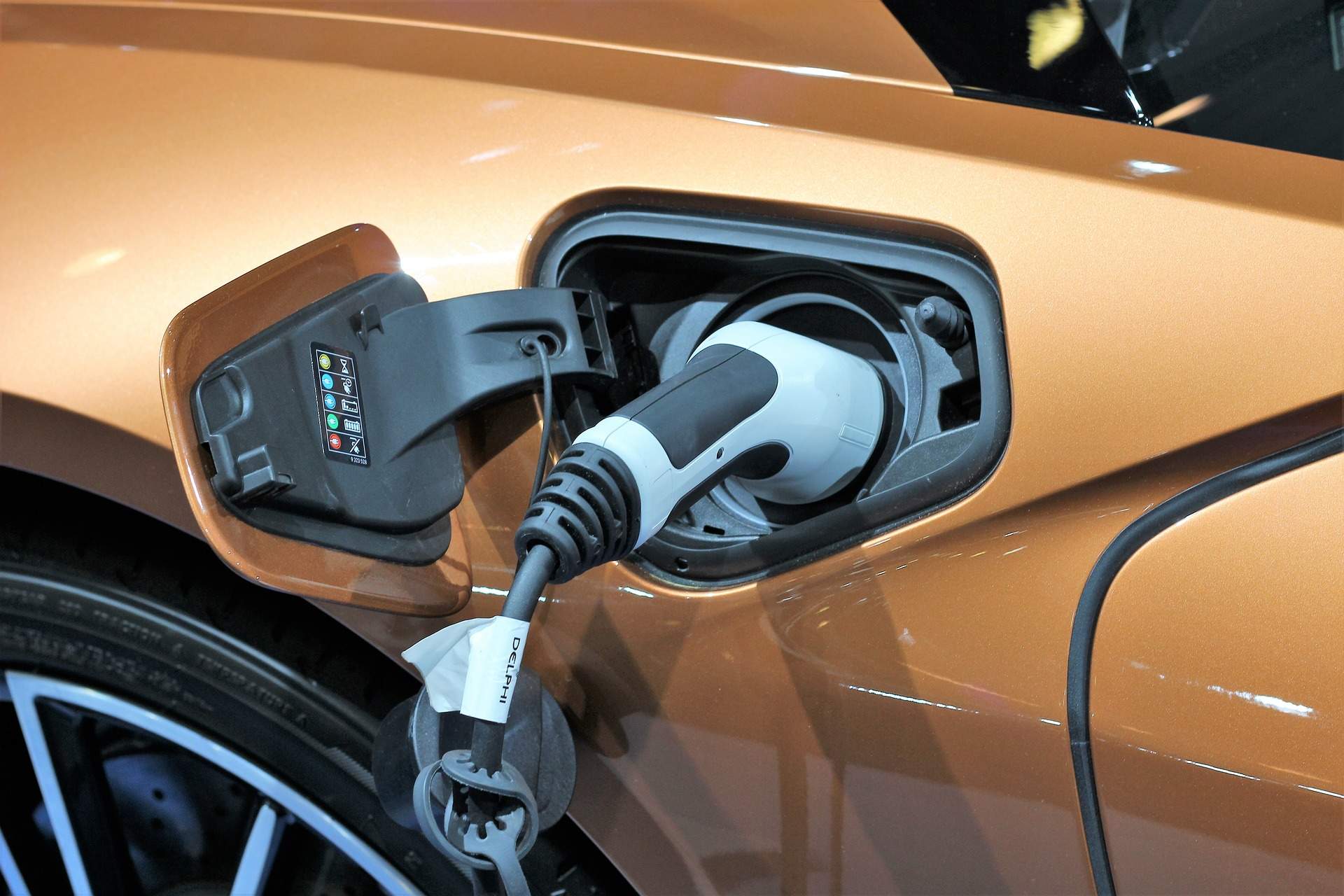
The volume of used electric vehicles (EVs) available in the UK has risen by 27% since 2017, figures from cap hpi have revealed.
The data also found that electric vehicles are the fastest growing sector of the new car market with Q1 sales increasing by more than 50% year-on-year. Demand in the used car market has also driven the average used values of EVs up by 14% in the last 12 months.
Go deeper with GlobalData


Access deeper industry intelligence
Experience unmatched clarity with a single platform that combines unique data, AI, and human expertise.
Small used electric vehicles have seen demand soar, with cap hpi attributing the growing popularity to a number of factors, including the rollout of clean air zones, cheaper running costs, increased charging points, incentives to drive and wider availability from manufacturers.
“The past few years have seen a steady growth of the new electric cars being registered in the UK, 2018 saw an increase of 13.8% over 2017,” said Chris Plumb, electric vehicle expert at cap hpi. “This has resulted in more used EV’s entering the market and satisfying the growing demand from the used consumer. Residual values are improving, with some models, such as the Renault Zoe, actually increasing in value in recent times.
“New electric cars can still be expensive to either buy or run on a finance deal with the used car offering much better value for money. The choice of used EV’s continues to grow, and most people will find a used EV that will suit their travel needs and hit the right price point.”
Previous research from cap hpi found that the used car market posted an overall decline of 2.1% in the first quarter of 2019. The results also revealed a 3.3% negative swing compared with value movements in the same period last year.
Derren Martin, head of UK valuations at cap hpi, noted that the price drops in the used car market cannot be attributed to economic uncertainty around Brexit. “The market has seen prices going up over the last year to 18-months, and there is still a theme of a reluctance to pay high prices and squeeze retail margins. We continue to witness a gentle, downward pricing realignment.”