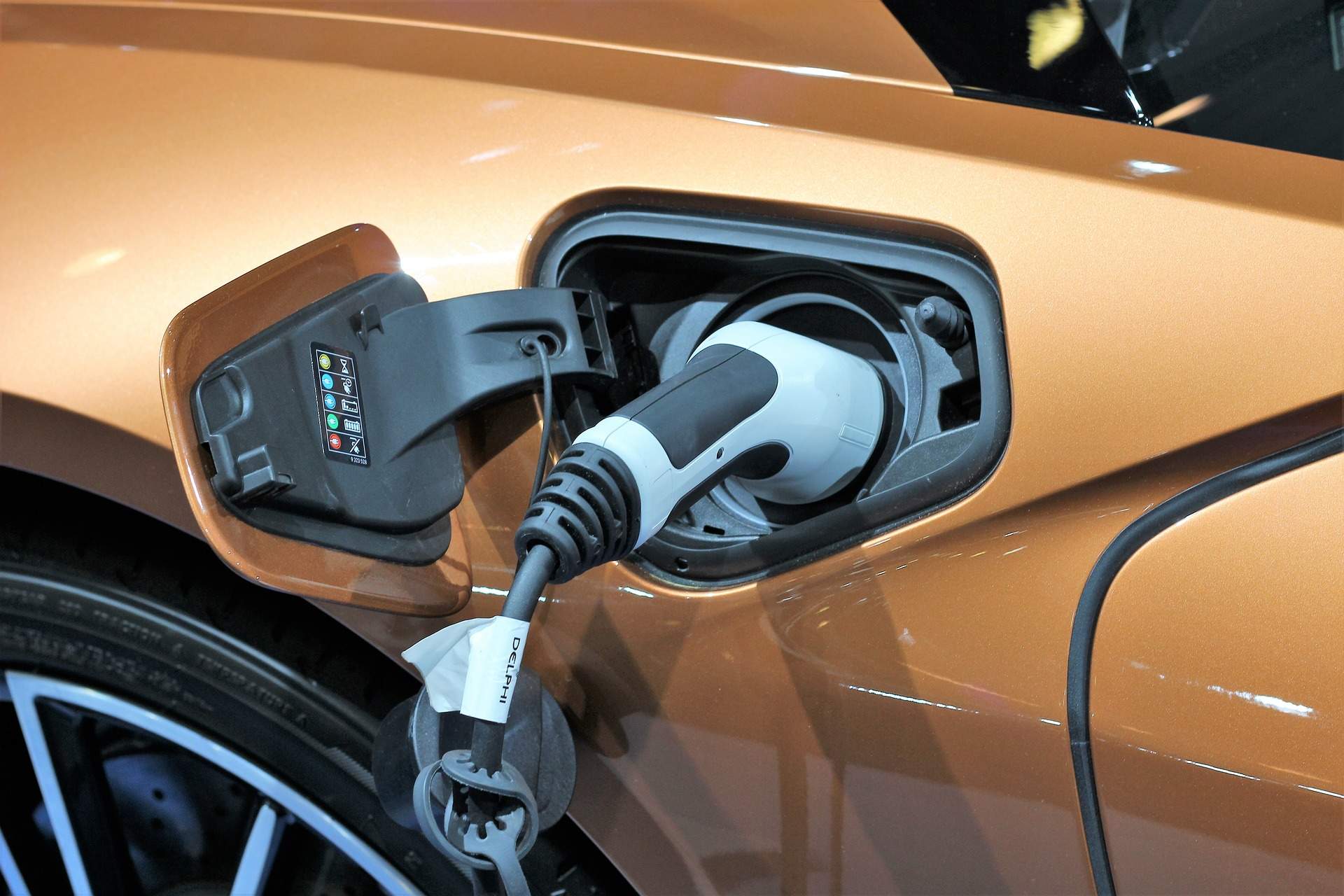
The UK government will be investing £37m into electric charging infrastructure, with the money spread across 12 different projects.
“We’re charging up the transport revolution and investing in technologies to transform the experience for electric vehicle drivers,” said Michael Ellis, future of mobility minister. “Ensuring the charging infrastructure for electric vehicles is reliable and innovative is encouraging more people to join the record numbers of ultra-low emission vehicle users already on UK roads.
Go deeper with GlobalData


Access deeper industry intelligence
Experience unmatched clarity with a single platform that combines unique data, AI, and human expertise.
“The Road to Zero strategy sets out new measures to clean up road transport and lead the world in developing, manufacturing and using zero emission road vehicles. Through funding these projects, the government is incentivising drivers to move towards buying electric vehicles, supporting the key aims of the strategy.”
Smart city consultancy Urban Foresight has been awarded over £3m to develop ‘pop-up’ chargers which are built into the pavement. The chargers are designed to provide a discreet, safe and low-cost charging solution for EV drivers without access to off-street parking.
Electric charging company Char.gy has received £2.3m to implement wireless charging technology on residential streets without the need for cables and additional infrastructure.
Richard Stobart, chief executive of Char.gy, said: “Working in collaboration with the Open University and The University of Warwick’s WMG we are excited to show that our ability to retrofit to existing electric vehicles and enable several parking bays per lamp column without the need for cables will accelerate the uptake of electric vehicles.”
Other innovations set to receive investment include car park chargepoints, solar-powered forecourts, underground charging systems and wireless charging systems. One project will leverage existing Virgin Media physical and online infrastructure to deliver cost-effective and widespread charging, using high speed internet connections to better share information online on charging progress and parking spaces.
The announcement comes one year since the launch of the government’s Road to Zero strategy, which has encouraged a 60% increase in battery electric vehicle registrations since last year.