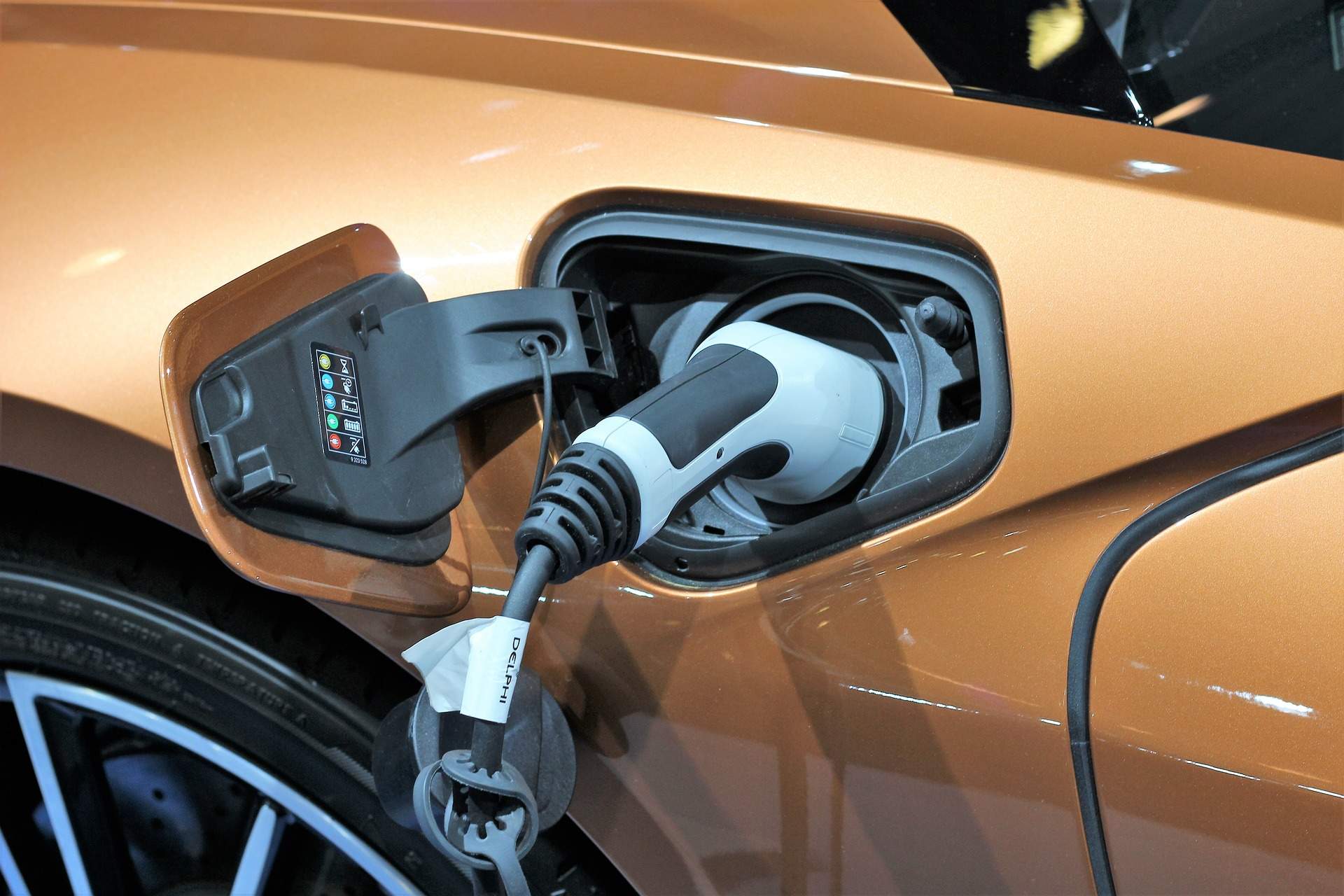
The number of electric vehicle charging stations now outnumbers the number of fuel stations in the UK by almost 1,000, according to Nissan.
According to the car manufacturer, there are 9,300 EV charging locations across the country, compared to 8,400 fuel stations. The crossover occurred more than a year before Nissan’s 2016 prediction of August 2020 – a result of the accelerating adoption of EVs in the UK.
Go deeper with GlobalData


Access deeper industry intelligence
Experience unmatched clarity with a single platform that combines unique data, AI, and human expertise.
The study found that almost 80% of UK petrol stations have closed since 1970, while the number of electric vehicle charging locations has increased from a few hundred in 2011 to more than 9,000 in 2019.
Some 1,600 of the EV charging stations today provide rapid charging, and can recharge a typical EV battery to around 80% in under an hour. According to Zap-Map, two new rapid charge devices came online every day in the last month. Almost all UK motorway service stations have charging stations installed, the majority of which provide a rapid charge option.
Transport for London has installed more than 1,000 EV charge points in the last year, yet supply of conventional fuel within the capital is becoming scarcer. Central London has nearly half as many petrol stations per car as the Scottish Highlands; only four remain within the congestion-charge zone.
Kalyana Sivagnanam, managing director at Nissan, said: “Many consumers are saying their next car will be electric. That means the industry needs to ensure their desires are met with both the car – how far it can go, what technologies it has – and how it interacts with the world around it – where they can charge and how convenient that is for them.
“We’ve moved beyond the early concerns of range anxiety with EVs now exceeding the vast majority of customer’s daily driving needs. The next challenge is for charging infrastructure to keep pace with the number of EVs on the road, and that the experience of recharging is as enjoyable and effortless as that of all-electric driving.”