Battery electric vehicle registrations almost tripled in July to take the record monthly market share, according to the latest figures from the Society of Motor Manufacturers and Traders (SMMT).
Total registrations in the new car market dropped 4.1% to 157,198 registrations, marking the fifth consecutive month of decline. The SMMT attributed the fall to ongoing political and economic uncertainty and confusion over future government policy on different fuel types.
Go deeper with GlobalData


Access deeper industry intelligence
Experience unmatched clarity with a single platform that combines unique data, AI, and human expertise.
All sectors experienced declines, with private demand falling 2%, while deliveries for fleet and business customers were down 4.7% and 22.5% respectively. Luxury saloons and specialist sports cars experienced a rise in registrations in the month with volumes driven by increased demand for dual purpose vehicles, up 12.8% to take nearly a quarter (24.4%) of the market.
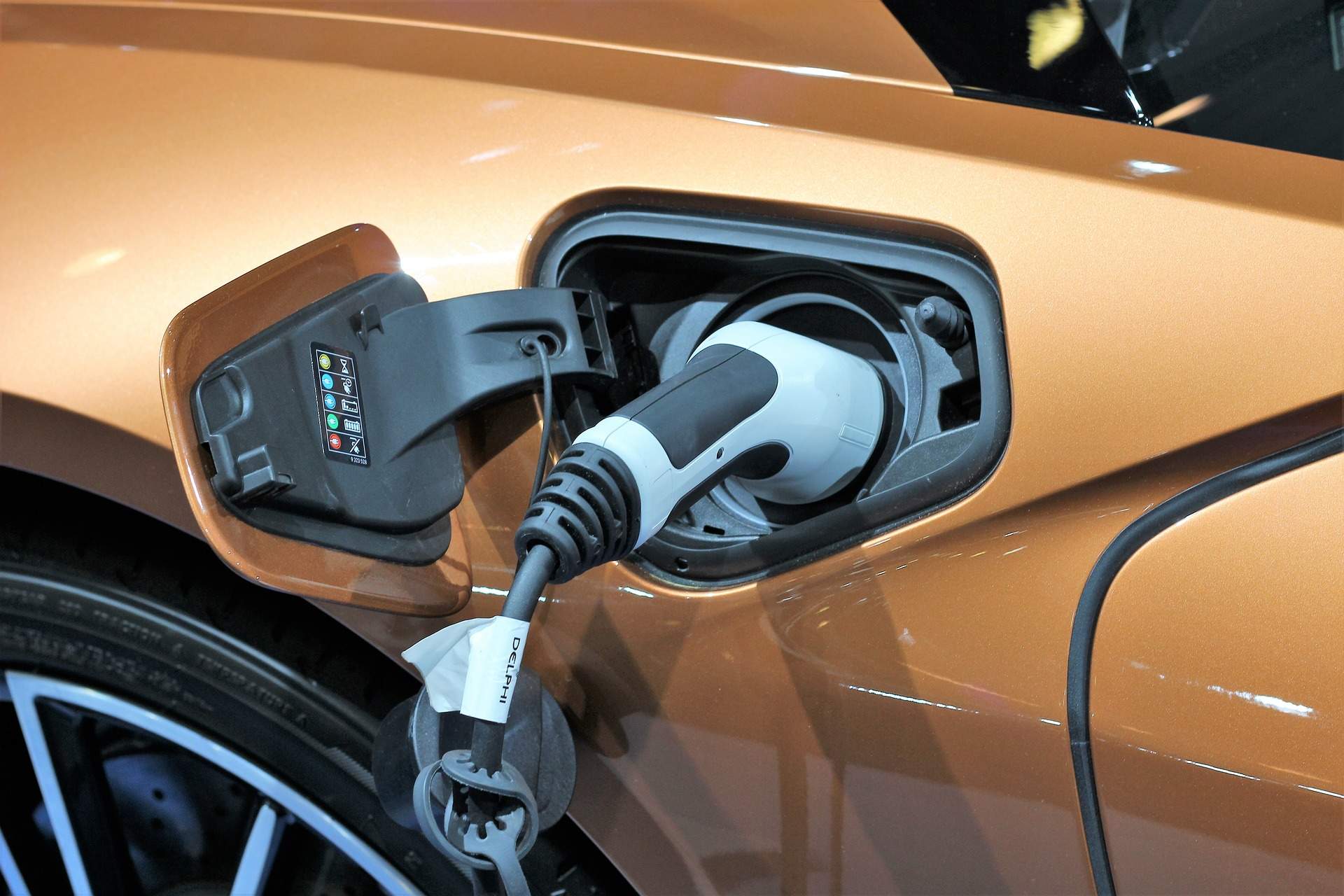
Hybrid electric cars increased by a substantial 34.2%, with 7,758 of these low-emission vehicles joining UK roads. Plug-in hybrid electric vehicles continued their recent decline, down 49.6%. Demand for battery electric vehicles shot up by 158.1%, resulting in a 1.4% market share, the highest monthly market share on record.
SMMT said: “Manufacturers have invested heavily in a growing range of powertrain options, with British drivers now having the choice of advanced low emission petrols and diesels, and an ever-greater number of hybrid, plug-in hybrid, battery electric and even hydrogen cars. There are currently more than 350 models available in the UK – around 80 of them alternatively fuelled, including 21 battery electric, with more expected to arrive in showrooms later this year.”
As a result, SMMT expects battery electric cars to double their market share next year, with 51,000 registrations in 2020. To meet the zero emission targets set by the government, SMMT believes the industry needs long-term incentives, supportive policies and substantial investment in infrastructure.

US Tariffs are shifting - will you react or anticipate?
Don’t let policy changes catch you off guard. Stay proactive with real-time data and expert analysis.
By GlobalDataMike Hawes, SMMT Chief Executive, said, “Despite yet another month of decline in the new car market, it’s encouraging to see substantial growth in zero emission vehicles. Thanks to manufacturers’ investment in these new technologies over many years, these cars are coming to market in greater numbers than ever before.
“If the UK is to meet its environmental ambitions, however, government must create the right conditions to drive uptake, including long-term incentives and investment in infrastructure. The fastest way to address air quality concerns is through fleet renewal so buyers need to be given the confidence to invest in the new, cleaner vehicles that best suit their driving needs, regardless of how they are powered.”
Commenting on the latest figures, Seán Kemple, director of sales at Close Brothers Motor Finance, said: “Despite the overall fall in car registrations, we are seeing pockets of increased sales. Demand for electric and hybrid vehicles continues to rise, as buyers look toward a greener future and as the range of choice on offer continues to grow.
“This will only roll on and on as the industry landscape completely transforms. Jaguar Land Rover’s recent announcement to invest heavily in this is testament to this fact, with other similar announcements no doubt on the way. Dealers mustn’t be put off by the bumps in the road, but should focus their attention on the vehicles which are performing best. Capitalising on the areas where investment is strongest – be it through changing stock or tweaking their offer to reflect buying trends – will be crucial in the coming months.”