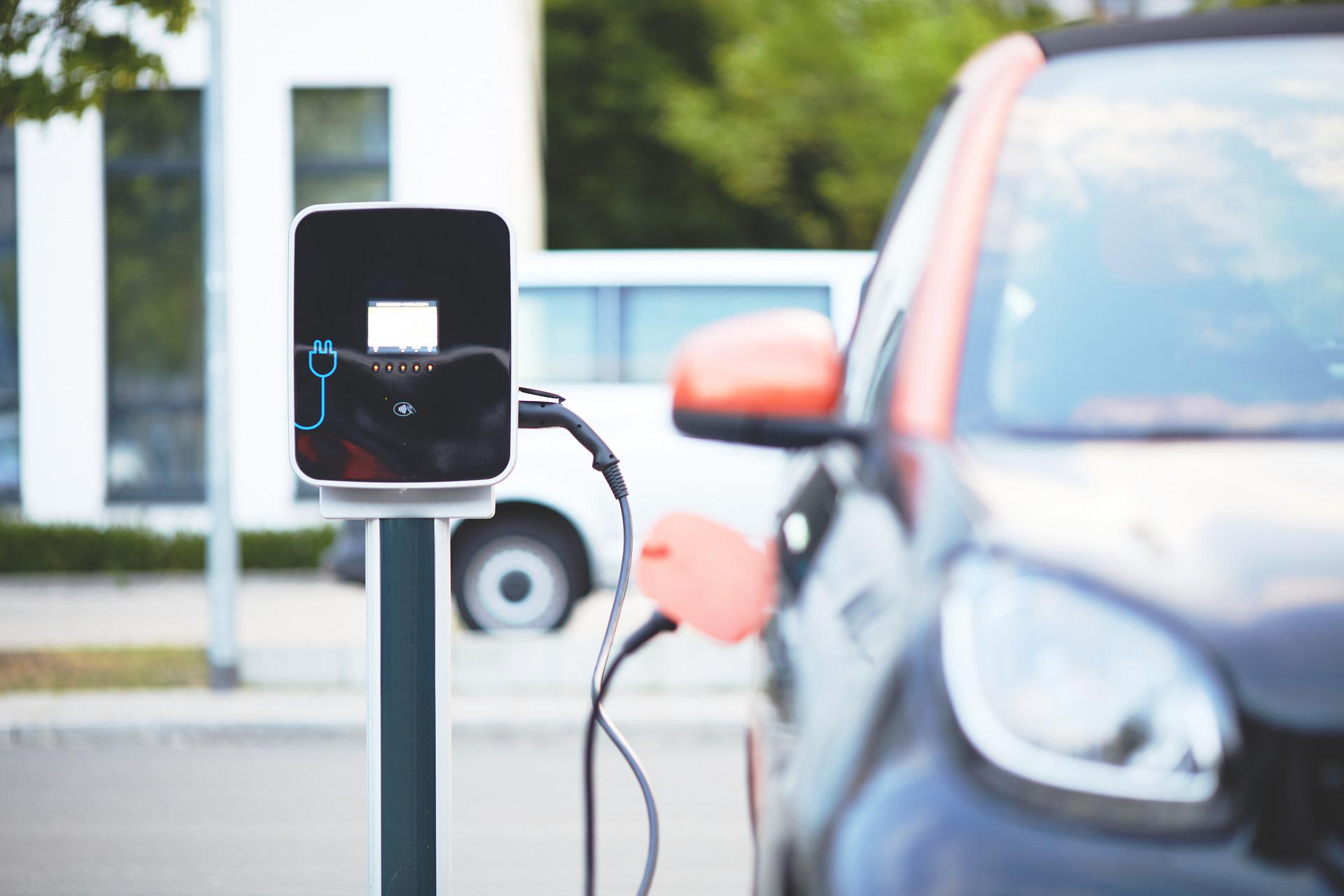
Leasing continues to drive the new car market’s transition to electric vehicles, as demand for Battery Electric Vehicles (BEVs) increased by 72% in the second quarter of this year.
New data released by the car leasing comparison website, Leasing.com, shows that consumer and business demand for all-electric vehicles (BEVs, hybrids and plugins) increased by 48% compared to Q2 last year, while BEV demand alone increased by 72% between April and June 2022 compared to the same period in 2021.
Go deeper with GlobalData


Access deeper industry intelligence
Experience unmatched clarity with a single platform that combines unique data, AI, and human expertise.
Meanwhile, demand for internal combustion vehicles (petrol and diesel) fell by 25% in Q2, with petrol demand falling 14% in the same period.
Leasing.com’s latest figures show that electric vehicles are closing the gap on petrol’s dominance in the new car leasing market. Electric vehicles saw a 36.5% share of total sales enquiries via the website in Q2 compared to petrol’s 54.5% market share. The gap between the fuel types continues to narrow each month.
However, supply issues continue to dictate the sales winners in the new car market. Consumers and businesses are gravitating towards the models that they can get hold of quickest and demand has softened for those brands with longer lead times. This has created opportunities for some manufacturers to rapidly grow their market share.
The top three most popular vehicles on Leasing.com in Q2 this year were the Nissan Qashqai, Hyundai Tucson and the Cupra Formentor. While the top three most popular BEVs were the Tesla Model Y, MG ZS and the Polestar 2.
US Tariffs are shifting - will you react or anticipate?
Don’t let policy changes catch you off guard. Stay proactive with real-time data and expert analysis.
By GlobalDataElsewhere, motorists appear to be increasingly taking to the roads this year as the most popular mileage allowance for lease agreements jumped from 8,000 in Q1 to 10,000 miles in Q2.
Paul Harrison, chief partnerships officer at Leasing.com, said: “The move to electric has been building for a number of years, but the rate of adoption by consumers and businesses in 2022 has exceeded even our own forecasts. While we’ve seen consumer engagement remain high in recent months, consumer intent has dipped as a result of ongoing supply disruption, rising new car prices and the household cost of living crisis. Without these big market influences, electric vehicle demand would have undoubtedly been even higher this year which is encouraging for the industry as it looks ahead.”