
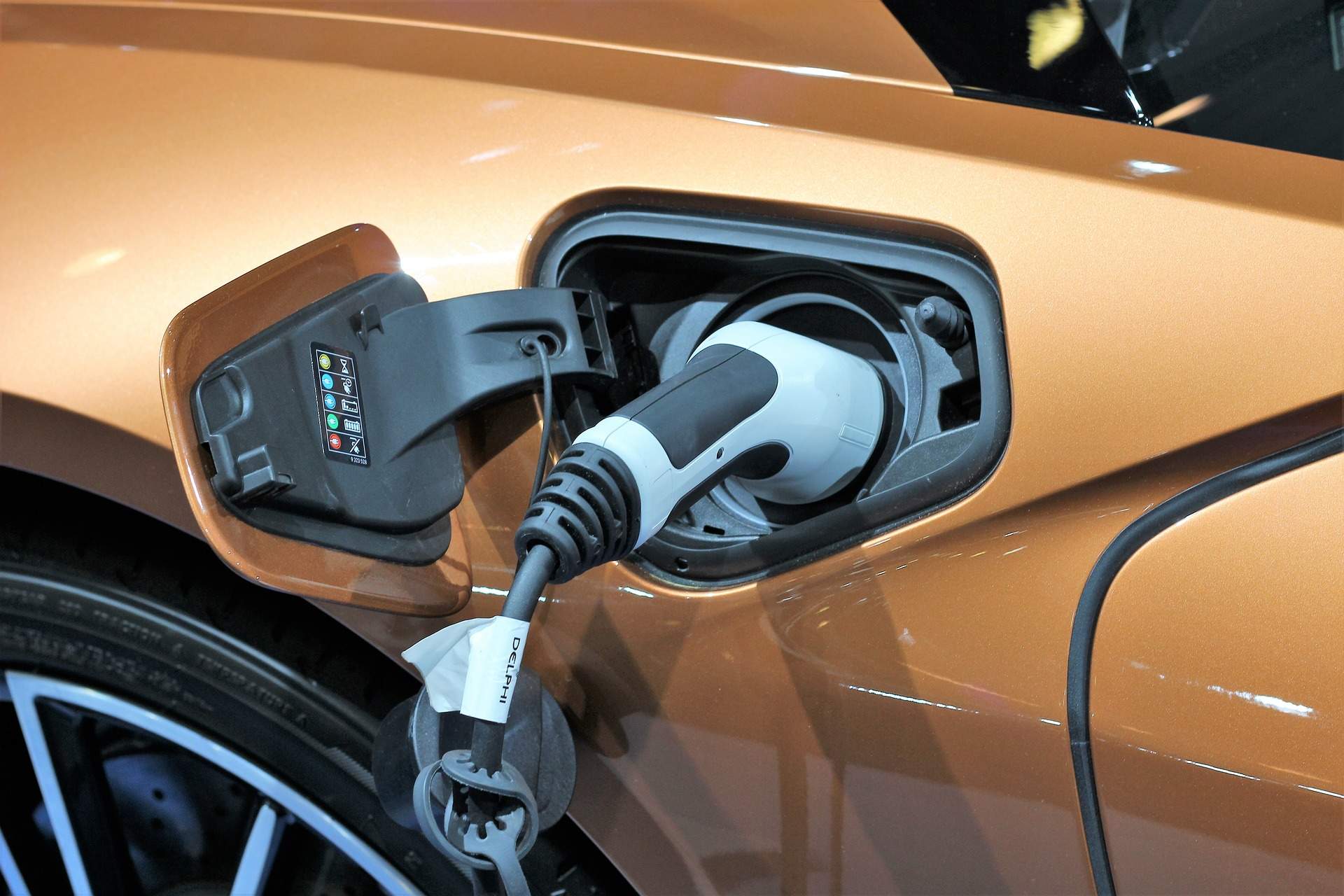
The demand for small, used electric vehicles (EVs) is on the up, with some models also experiencing uplifts in value.
This is according to cap hpi, which attributed the growth to a combination of factors – including the roll-out of clean air zones, cheaper running costs and increased charging points, incentives to drive and wider availability from manufacturers.
Go deeper with GlobalData


Access deeper industry intelligence
Experience unmatched clarity with a single platform that combines unique data, AI, and human expertise.
Three models have seen notable rises in their value: the Nissan Leaf, one of the longest serving EVs on the market; the Renault Zoe, an option for those looking for a battery-leased vehicle at a much cheaper price; and the Mitsubishi I-MIEV, which manufacturers’ state can do around 92 miles on a charge.
These cars cost approximately between £1.50 and £2.50 to charge, with some running cost savings to be had. Used prices for the cars start around the £5,000 mark.
Chris Plumb, electric vehicle expert at cap hpi, noted the growing popularity of electric vehicles and their increased market share. “Some of the smaller models make an attractive used buy with low purchase price and running costs.
“Additionally, many towns and cities offer incentives for drivers of electric vehicles such as free charging points and parking.”
Last year, cap hpi released a study which found that service and maintenance costs are 23% lower for electric vehicles than petrol vehicles over three years and 60,000 miles. The gap is even more pronounced for smaller vehicles – a Renault Zoe will cost £1,100 to maintain over three years while a Vauxhall Corsa 1.0T 90 Design costs £1,497, an increase of 35.7%.
Plumb continued: “An electric car motor has far fewer moving parts than a petrol or diesel engine. They also benefit from gentler driving styles that lead to lower wear and tear of brakes and tyres. While the purchase price is often higher at the moment, but coming down all the time, drivers will find an EV much cheaper to run with significantly lower costs to charge rather than visit the pump and lower maintenance costs.”