
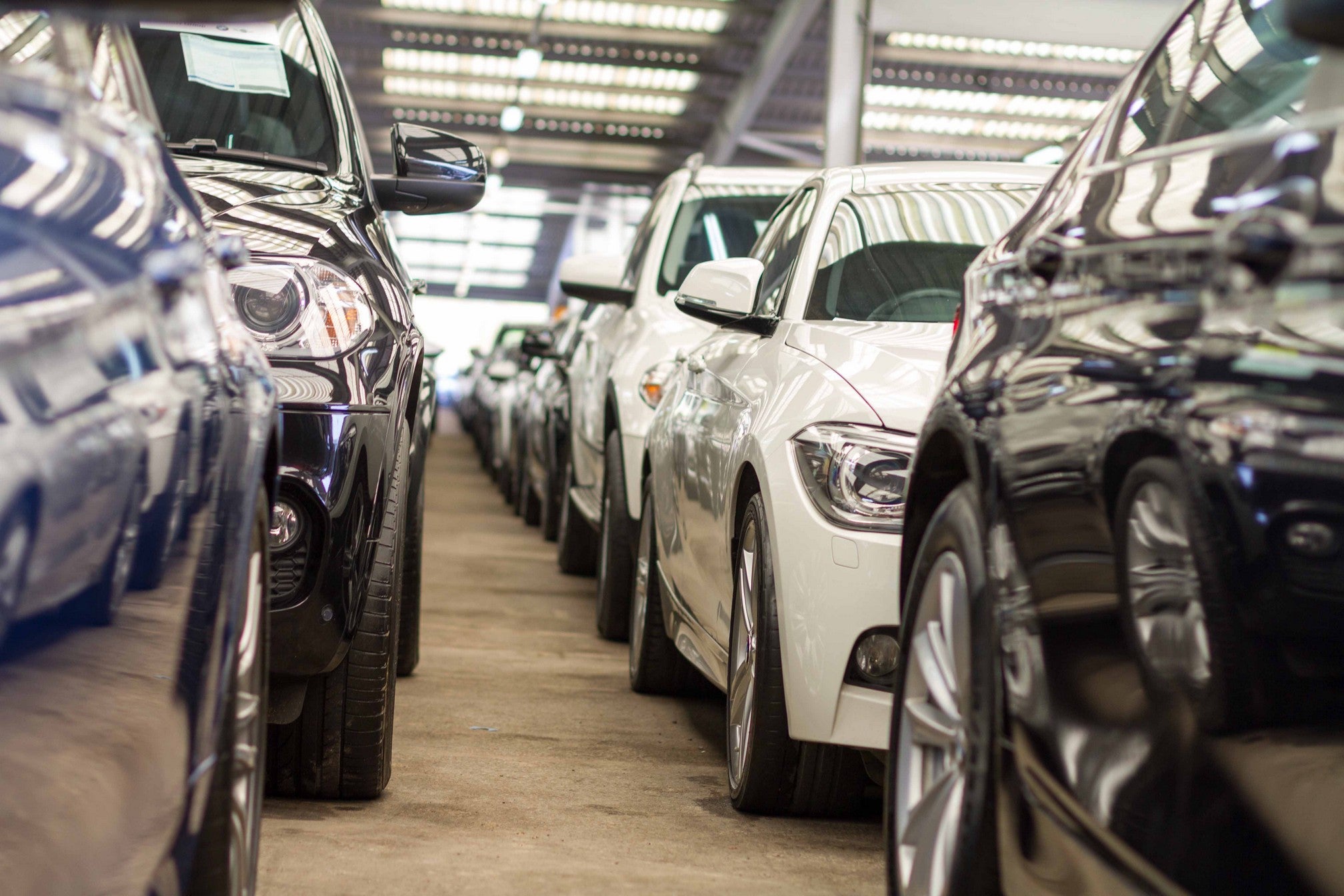
The UK new car market has seen registrations fall for a fourth consecutive month, down 4.9% year-on-year in June, according to the latest figures from the Society of Motor Manufacturing (SMMT).
Petrol and battery electric vehicles registered growth in the month, up 3% and 61.7% respectively, but increases were not enough to offset the continuing decline of diesel – which fell for the 27th month in a row (-20.5%).
Go deeper with GlobalData


Access deeper industry intelligence
Experience unmatched clarity with a single platform that combines unique data, AI, and human expertise.
Plug-in hybrid vehicles suffered a significant drop of 50.4% in registrations, while hybrids also saw declines of 4.7%. The performance tipped the overall alternatively fuelled vehicle sector into negative growth for the first time since April 2017 – which SMMT said undermines efforts to reduce emissions through fleet renewal of the latest ultra low emission vehicles.
“Another month of decline is worrying but the fact that sales of alternatively fuelled cars are going into reverse is a grave concern,” said Mike Hawes, chief executive of the SMMT. “Manufacturers have invested billions to bring these vehicles to market but their efforts are now being undermined by confusing policies and the premature removal of purchase incentives.
“If we are to see widespread uptake of these vehicles, which are an essential part of a smooth transition to zero emission transport, we need world-class, long-term incentives and substantial investment in infrastructure. Fleet renewal remains the quickest way to address environmental concerns today and consumers should have the confidence – and support – to choose the new car that best meets their driving needs.”
Industry reaction
Sue Robinson, director of the National Franchised Dealers Association (NFDA), said the lack of clarity on a number of government policies, including Brexit, is having a negative impact on private buyers and businesses alike. “It is important that the Government addresses the negative impact the current tax regime is having on company cars.
“It is disappointing to see demand for alternative fuel vehicles decline, but it is positive that the sales of pure electric vehicles maintained their positive trend despite significant supply constraints. Franchised dealers are making significant investments to be able to educate their customers and provide them with the best possible experience in this developing area of the market.”
Seán Kemple, director of sales at Close Brothers Motor Finance, said that issues in motor manufacturing and supply are taking their toll on car registrations, piling the pressure onto dealers. “The delays caused by a WLTP-induced bottleneck and a tricky auction environment mean dealers are struggling to meet the demands of their customers and bottom lines alike.
“The weather has not helped our case; a rainy June left buyers hesitant to hit the high street, and that included big ticket purchases like cars. As we move towards the traditional summer slowdown, dealers must be sure to focus on their digital showroom – customers looking for AFVs or specific makes and models are using social media and forums more than ever and it’s crucial that dealers are including this sort of outreach in their planning.”
James Fairclough, chief executive of AA Cars, said the disappointing figures are a result of various factors, including the trend among younger consumers to move away from ownership in favour of usership models.
“Also, the recent popularity of PCP loans has injected a large number of nearly new cars into the second hand market, encouraging some people to buy used instead of new. This shift has been good news for the used car market, which saw sales hold steady in the first quarter of the year, with a modest drop of 0.6%.
“What’s most surprising from today’s data is that the ever so popular alternatively fuelled vehicles have recorded a drop in sales for the first time since April 2017. Despite the fact that the UK has just become the first major economy to set a net zero target on greenhouse gas emissions for 2050, there is ongoing confusion over low emission zones. Also, there is no doubt that the removal of ultra low emission vehicle government grants has impacted the market,” said Fairclough.