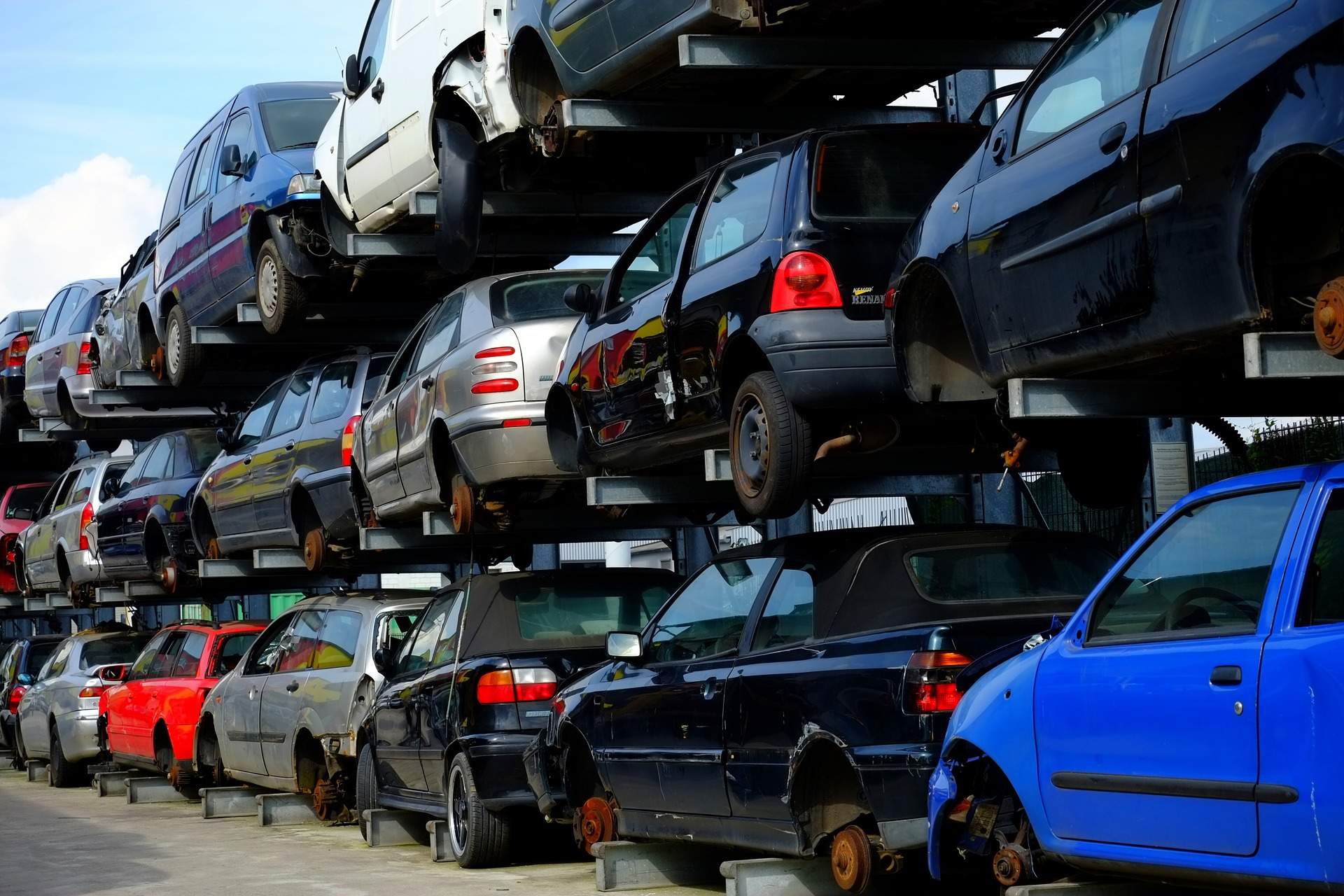
Half of British drivers wouldn’t scrap their car for less than £3,000 in cashback, while one in six would only be interested in a minimum of £7,000, independent research has revealed.
A 2,000-strong survey was carried out by car buying site carwow, and cast a shadow on the scrappage schemes which have been launched en masse by manufacturers, suggesting they may fall short of customers’ expectations.
Go deeper with GlobalData


Access deeper industry intelligence
Experience unmatched clarity with a single platform that combines unique data, AI, and human expertise.
Schemes like Ford’s and Volkswagen’s allow for up to £7,000 and £8,000 in incentives respectively. However, the most popular models fall below that, with the Ford Fiesta trading in at £2,000 and the VW Polo at £2,800. Other manufacturers, like BMW’s and Renaults, don’t go over £2,000 for any of their cars.
Most importantly, not every scheme requires the money to be directed at a new non-polluting vehicle, and manufacturers rarely allow for scraps to go on top of other, distinct offers.
The survey also examined attitudes towards the 2040 polluting vehicle ban, and found lukewarm feelings among drivers.
One in seven interviewees believed the cut-off date to be too early, while 21% said they won’t be able to afford a switch to a non-polluting car. Overall, 32% felt that drivers were the ones ultimately being penalised.
US Tariffs are shifting - will you react or anticipate?
Don’t let policy changes catch you off guard. Stay proactive with real-time data and expert analysis.
By GlobalDataMost worryingly, a third of said they had difficulties navigating the plethora of schemes and policies being announced in rapid fire.
“There has been a lot of confusion for consumers about what action, if any, they should be taking with regards to their cars in reaction to new clean air policies,” said Karen Hilton, head of sales and operations at carwow, who deemed the various scrap packages “still very niche”.
She added: “A joined up approach is required from all manufacturers, the industry and the government, in order to ensure that the majority are able to reduce their emissions, not just a minority group of drivers.”