
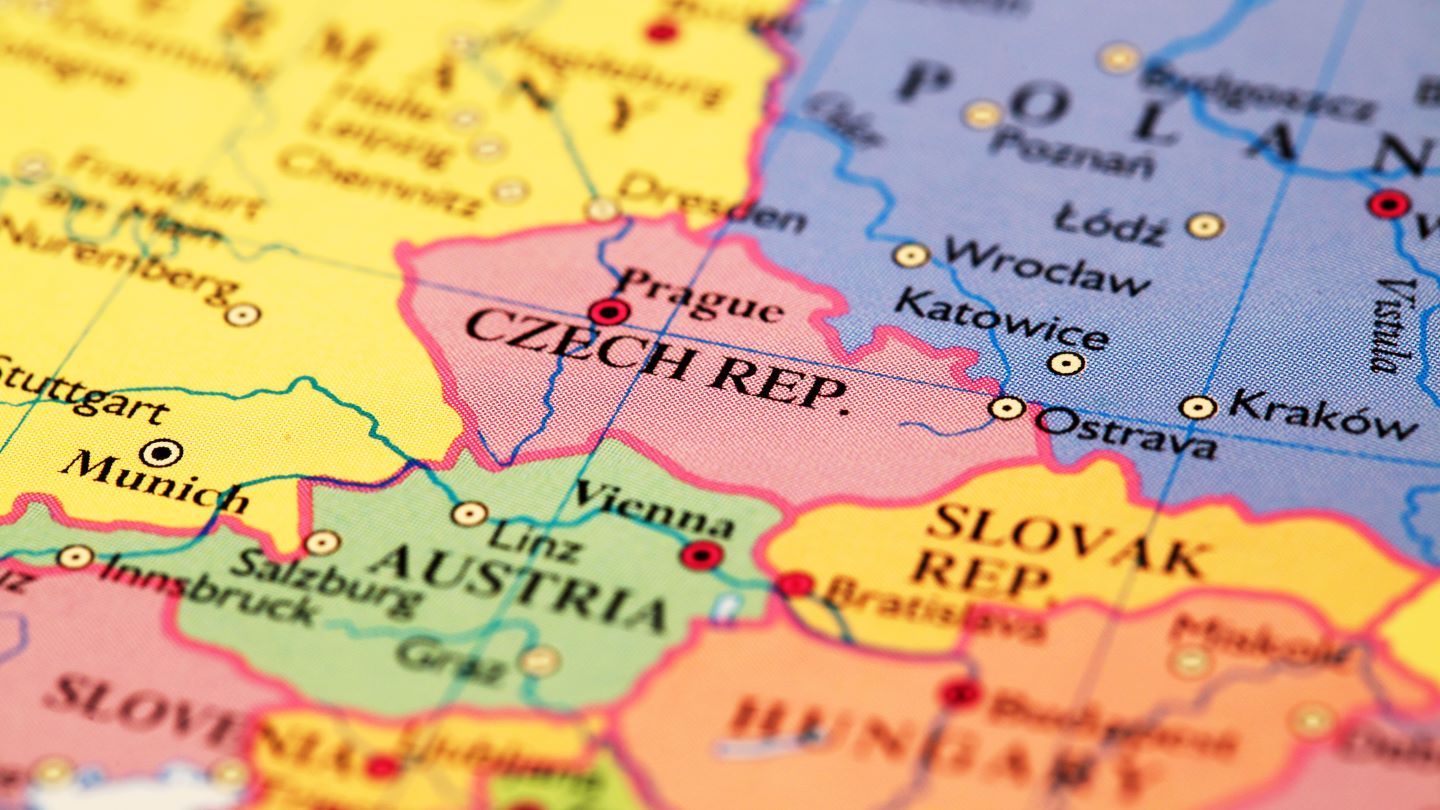
The European Automobile Manufacturers’ Association (ACEA) has launched the Central and Eastern European (CEE) Automotive Hub (the Hub).
The Hub was launched in collaboration with national automotive associations in the Czech Republic, Poland, Romania, and Slovakia to strengthen the voice of the CEE automotive industry in European Union (EU) policy discussions.
Go deeper with GlobalData


Access deeper industry intelligence
Experience unmatched clarity with a single platform that combines unique data, AI, and human expertise.
The ACEA stated: “Together, these associations represent a region that is not only central to the EU’s industrial fabric but essential to its future competitiveness and economic resilience as Europe transitions towards zero-emission mobility.”
The CEE Hub is coordinated locally by the Czech Automotive Industry Association (AutoSAP) and will provide structured political intelligence, foster regional coordination, and support strategic outreach on EU legislation affecting the automotive sector.
The region hosts 35 automobile assembly, battery, and engine plants, accounting for 15% of all EU plants.
In the previous year, approximately 1.2 million vehicles were sold in the region, representing 10% of EU vehicle sales.
AutoSAP executive director Zdeněk Petzl said: “This is about making our region an integral part of EU policy conversations — a strategic voice and not just a production base. This is a new kind of collaboration for our region — not just stronger links to Brussels, but stronger links between us.
“The Hub gives us the structure to work more effectively together and to speak with more clarity when it counts.”
A recent ACEA-backed report highlighted barriers to Europe’s electric vehicle (EV) transition, citing high production costs, supply chain fragility, and inadequate charging infrastructure as major concerns.
The report emphasised that the shift to EVs requires a significant transformation of existing supply and value chains.
According to the report, this transformation will have profound impacts on jobs, investment flows, and the EU’s global competitiveness.