
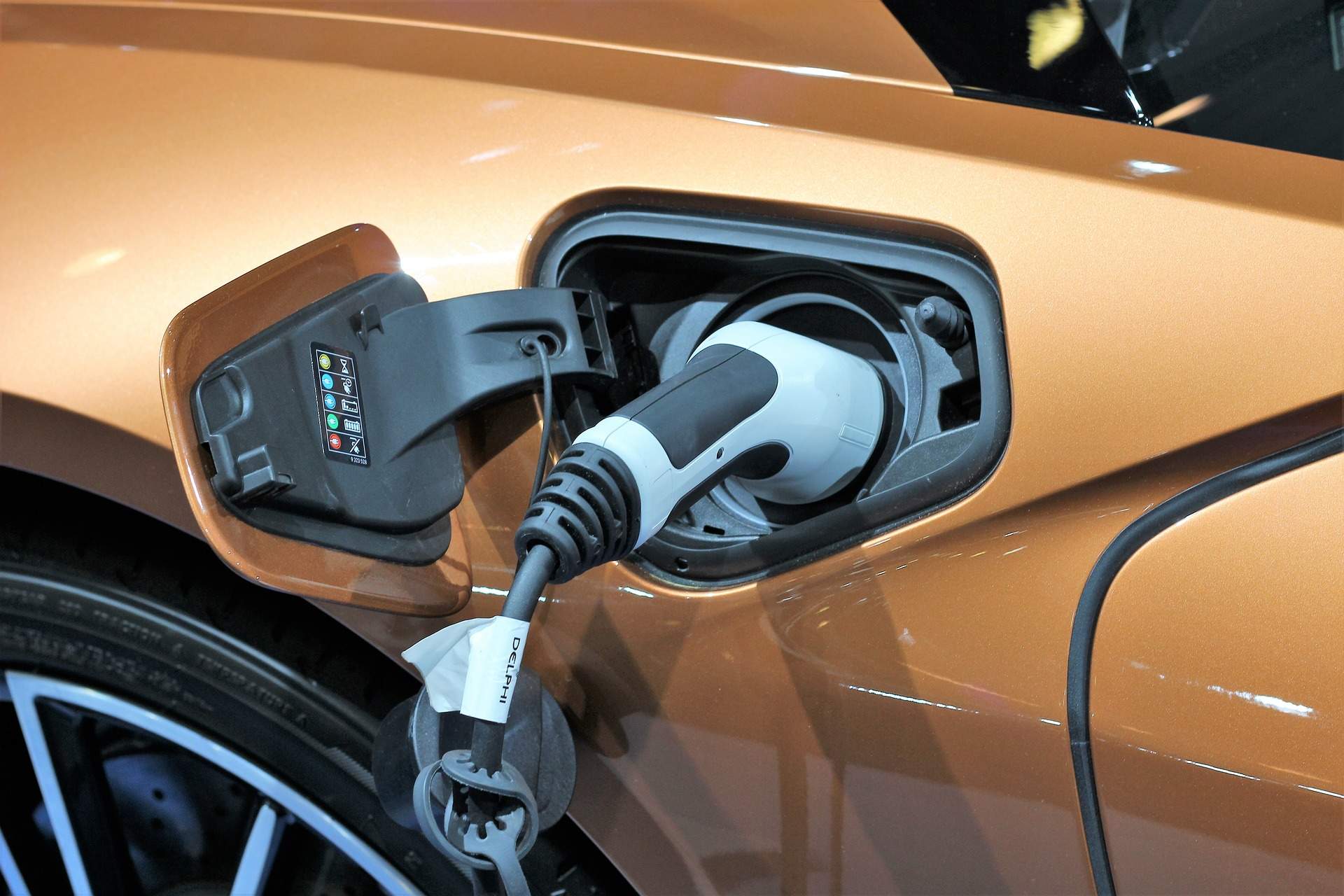
Fleets are playing a key role in driving emissions improvements for Arval UK’s overall vehicle parc.
Shaun Sadlier, head of consultancy at Arval UK, pointed to figures released last week by the BVRLA showing that 96% of leased cars were compliant to Clean Air Zone standards.
Go deeper with GlobalData


Access deeper industry intelligence
Experience unmatched clarity with a single platform that combines unique data, AI, and human expertise.
He said: “The fact is that a wide range of factors mean company cars continue to be significantly superior emissions-wise compared to privately-owned or privately-leased vehicles. Probably the single most important thing is that they are newer and so take advantage of the latest technology and emissions standards, plus they will generally be better maintained.
“Additionally, the longstanding benefit in kind taxation system tends to ensure that vehicle choices are made that minimise CO2 emissions in the vast majority of cases,” he added.
“Finally, fleets are generally in a position where they can adopt new emissions-friendly technology more easily. For an individual, buying an EV or even a hybrid could be a big financial decision. Businesses operating cars are much better positioned to adopt new ideas.”
Moving forward, the challenge facing fleets is not just to continue to improve emissions performance within their core fleet, but to enforce similar standards in their grey fleet operations and through employee initiatives such as affinity schemes.
Arval said there has been increased interest from companies wanting to reduce the emissions of their fleets.
“Climate change is receiving a lot of attention in the media at the moment and there is definitely a mood shift among an increasing number of businesses where they want to move their performance up a gear in this respect,” Sadlier continued.
“Controlling transport emissions is a key part of this trend and we are in dialogue with several clients about the kind of positive changes they can make. Obviously the arrival of new vehicle technology such as EVs and hybrids mean that there is potential for taking quite radical action when it comes to cutting fleet emissions over the next few years,” he concluded.