
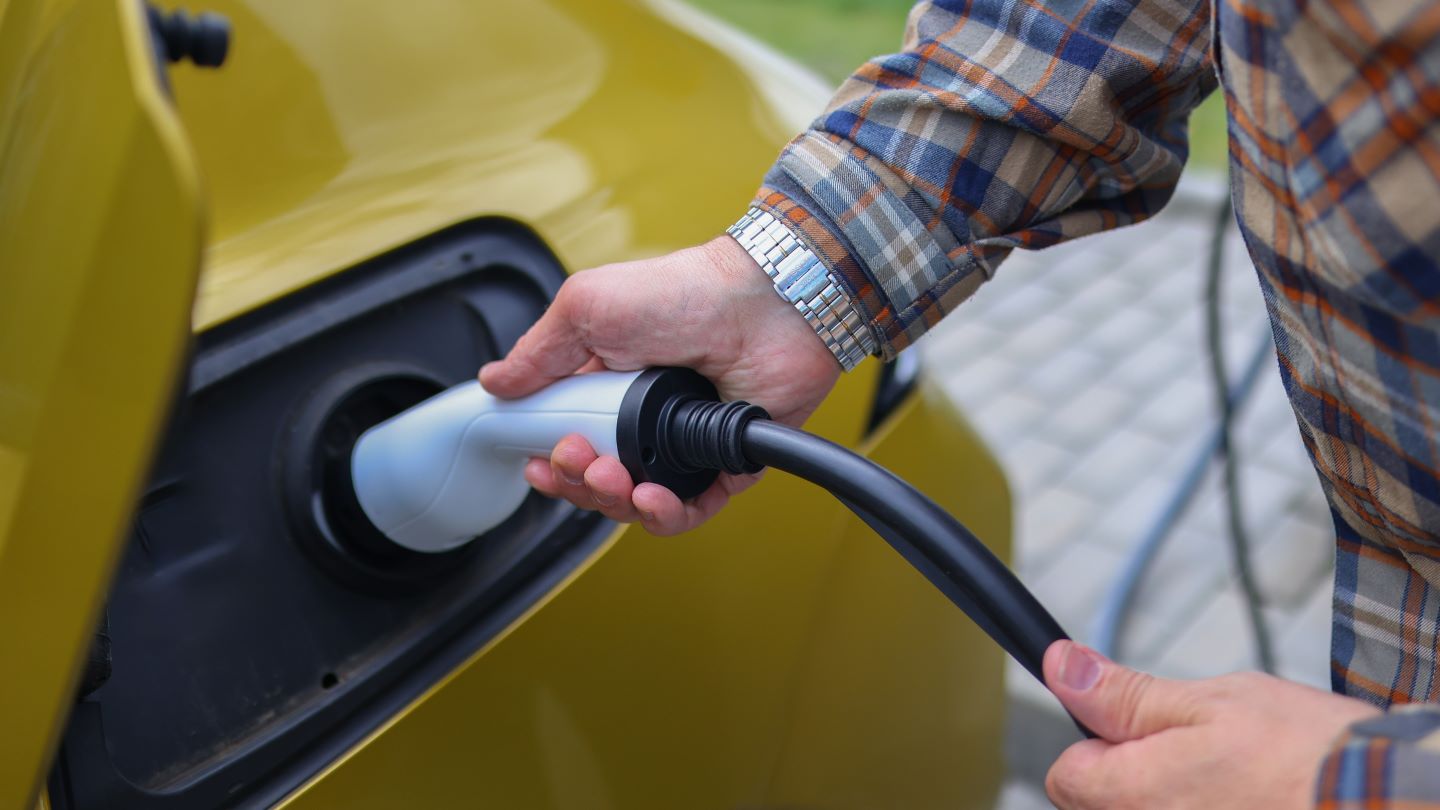
The Association of Fleet Professionals (AFP) has highlighted the necessity for enhanced charging speeds to support the transition to electric vehicles within commercial fleets.
At present, models offered by major manufacturers have a capacity ranging from approximately 50kWh to 125kWh.
Go deeper with GlobalData


Access deeper industry intelligence
Experience unmatched clarity with a single platform that combines unique data, AI, and human expertise.
This indicates that even efficient models require about 40 minutes to charge from 10% to 80% under optimal conditions, and they typically charge at a slower rate in practical scenarios.
AFP chair Paul Hollick has raised concerns that electric vans are being designed with slower charging speeds due to a perceived emphasis on minimising purchase costs.
He emphasised the need for access to charging infrastructure that can accommodate the maximum charging speed of these vehicles.
The AFP has recognised the increasing sales targets set by the ZEV Mandate, which aims for electric vans to constitute 24% of sales by 2026.

US Tariffs are shifting - will you react or anticipate?
Don’t let policy changes catch you off guard. Stay proactive with real-time data and expert analysis.
By GlobalDataThe organisation’s megafleets committee has identified charging speed as an obstacle to the adoption of electric vans, with extended charging times proving costly for fleet operations.
According to Hollick, AFP members would be open to paying a premium for vans with faster charging options, noting that the benefits over a typical six-year fleet life cycle would justify the higher initial cost.
The charging speeds of electric vans currently lag behind those of electric cars, and the AFP believes that reducing charging times to achieve an 80% charge in 10-15 minutes could encourage fleet operators to switch to electric vans.
The body said it is optimistic that the UK government will address the technical issues surrounding electric van regulations and anticipates the removal of what it views as unnecessary tachograph, driver hours, and MOT requirements.
Hollick said: “With that moment approaching, we’d like to see a greater understanding between manufacturers, fleets and government about the practicalities of electric van adoption, something we have been working on via the Van Plan created alongside the BVRLA [British Vehicle Rental and Leasing Association] and others.
“Rapid charging speeds and friction-free use of 4.25-tonne models are examples of this.”
Last month, the AFP urged the UK government to incentivise the second-hand electric vehicle market in the forthcoming November Budget, drawing on the success of new electric car grants that have increased retail interest.