
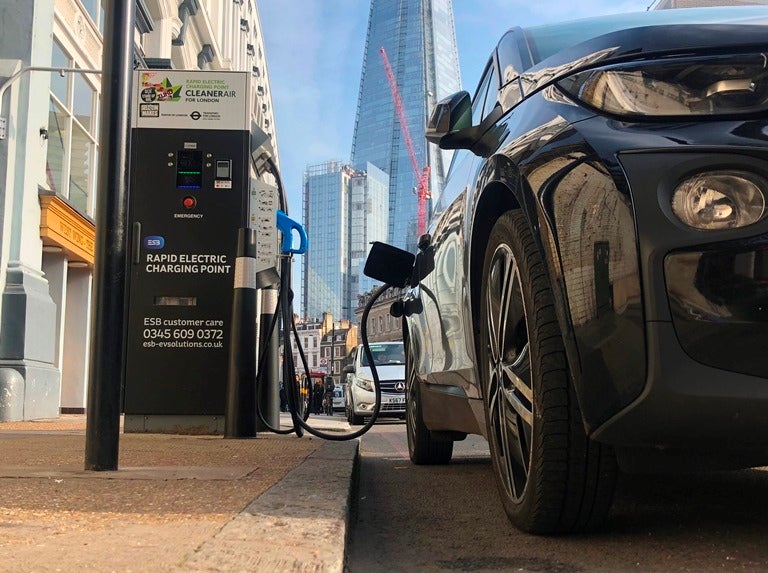
Eight in 10 business employees who current opt out of a company car scheme are ‘likely’ or ‘very likely’ to opt in once the Benefit in Kind (BIK) tax benefits start in April, according to DriveElectric.
As of April 2020 there will be no company car tax paid on battery electric vehicles (EVs), which means employees can save thousands of pounds each year by switching to an EV.
Go deeper with GlobalData


Access deeper industry intelligence
Experience unmatched clarity with a single platform that combines unique data, AI, and human expertise.
Other factors influencing business employees include EVs having lower whole-life costs, the growing number of proposed Clean Air Zones and motorists preferring the driving experience of EVs.
Coupled with this, the government has also announced that it is planning on bringing forward the proposed ban on sales of new petrol and diesel vehicles – including plug-in hybrids – from 2040 to 2035, or possibly as soon as 2032.
Industry is already taking action: Lex Autolease plans to achieve zero net emissions across its customer fleet of 350,000 vehicles by 2030, and Lex Autolease’s parent company Lloyds Banking Group will also convert its own 4,000 vehicle strong commercial fleet to electric. DriveElectric is the appointed partner to Lloyds Banking Group and Lex Autolease for SME (small and medium enterprise) fleets of less than 20 vehicles.
Mike Potter, managing director of DriveElectric, explains the link between the return of the company car and achieving the EV targets set by the government: “This survey suggests that, as long as incentives remain, the government’s target of all new car sales to be electric by 2035 – or 2032 – is achievable, and in addition private buyers will benefit from an increased supply of 2-4 year old used electric cars, spreading the benefit of this investment.
US Tariffs are shifting - will you react or anticipate?
Don’t let policy changes catch you off guard. Stay proactive with real-time data and expert analysis.
By GlobalData“DriveElectric’s orders are already composed of 95% battery electric vehicles and our average fleet CO2 is 28g/km, although based on our order book, this will very soon drop to 10g/km. With a wide range of new EVs currently coming to market, supported by financial incentives, 2020 is the ideal year for business users to convert to electric – and today’s company cars become vehicles for private motorists in a few years’ time.”