
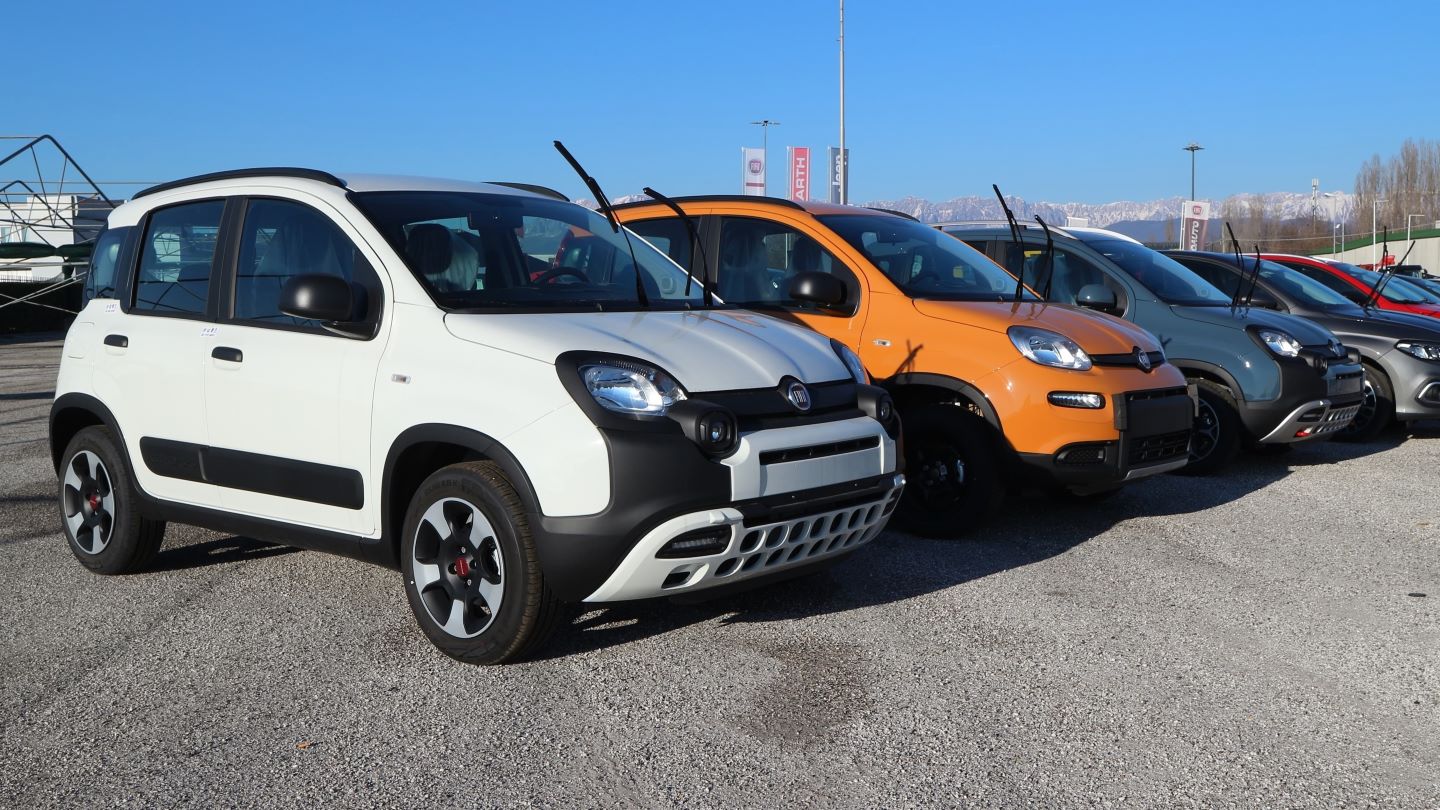
A recent report from the Global Fuel Economy Initiative (GFEI) highlighted the potential benefits of transitioning to smaller electric vehicles (EVs) as a means to enhance EV adoption and strengthen the automotive supply chain.
Titled ‘Small and Electric – The International Case to Move Away from Combustion SUVs’, the report argues that smaller EVs could serve as a practical response to current industry challenges while also ensuring the long-term competitiveness of traditional automakers.
Go deeper with GlobalData


Access deeper industry intelligence
Experience unmatched clarity with a single platform that combines unique data, AI, and human expertise.
Authored by GFEI partner organisation UC Davis, the GFEI Working Paper 25 examines the global car market trends since 2005 and identifies a shift towards larger, heavier vehicles, primarily due to higher profits for manufacturers.
However, this trend has also led to an increase in vehicle prices and a slowdown in the turnover of vehicle stocks, which in turn hampers the transition to EVs, the report said.
The report pointed out that larger vehicles not only require more materials, including scarce minerals, but also consume more energy in both production and operation.
By focusing on larger EV models, the industry risks diminishing the environmental benefits of electric cars, making them less affordable for consumers and slowing down market penetration.
China’s success in manufacturing smaller EVs is noted as a competitive advantage.
The country, responsible for 27% of global passenger car sales, has made significant strides in battery supply chains, manufacturing efficiency, and software for EV production.
This has put pressure on legacy automakers, who have been slower to move away from internal combustion engine (ICE) vehicles.
The GFEI report also argues that legacy manufacturers must embrace the production of smaller EVs on a large scale to remain competitive.
To support this transition, the report offers a range of public policy recommendations. These include the introduction of targeted incentives, tax measures, and regulatory support to steer the car market towards smaller vehicles.
It also suggests considering temporary tariffs based on domestic content or price undertakings to bolster supply chain diversification in vulnerable regions.
Additionally, the report calls for the promotion of investments in charging infrastructure that is cost-effective, accessible, and affordable. This would make EVs with smaller batteries more attractive to consumers.
Moreover, scaling up research and innovation is crucial to closing global competitiveness gaps, focusing on technologies that enhance battery manufacturing productivity and the development of advanced, material-efficient battery designs.
FIA Foundation deputy director Sheila Watson said: “Size matters in the race to electrification. ICE vehicles are already too big and too expensive. This trend must be reversed as we move to an electric fleet and work towards a resilient and sustainable mobility future.”