Japanese carmaker Honda has confirmed it will be ceasing production of all diesel vehicles in Europe by 2021.
The announcement follows Honda’s statement at the Geneva motor show earlier this month, which outlined the company’s plans to electrify 100% of its European automobile sales by 2025.
Go deeper with GlobalData


Access deeper industry intelligence
Experience unmatched clarity with a single platform that combines unique data, AI, and human expertise.
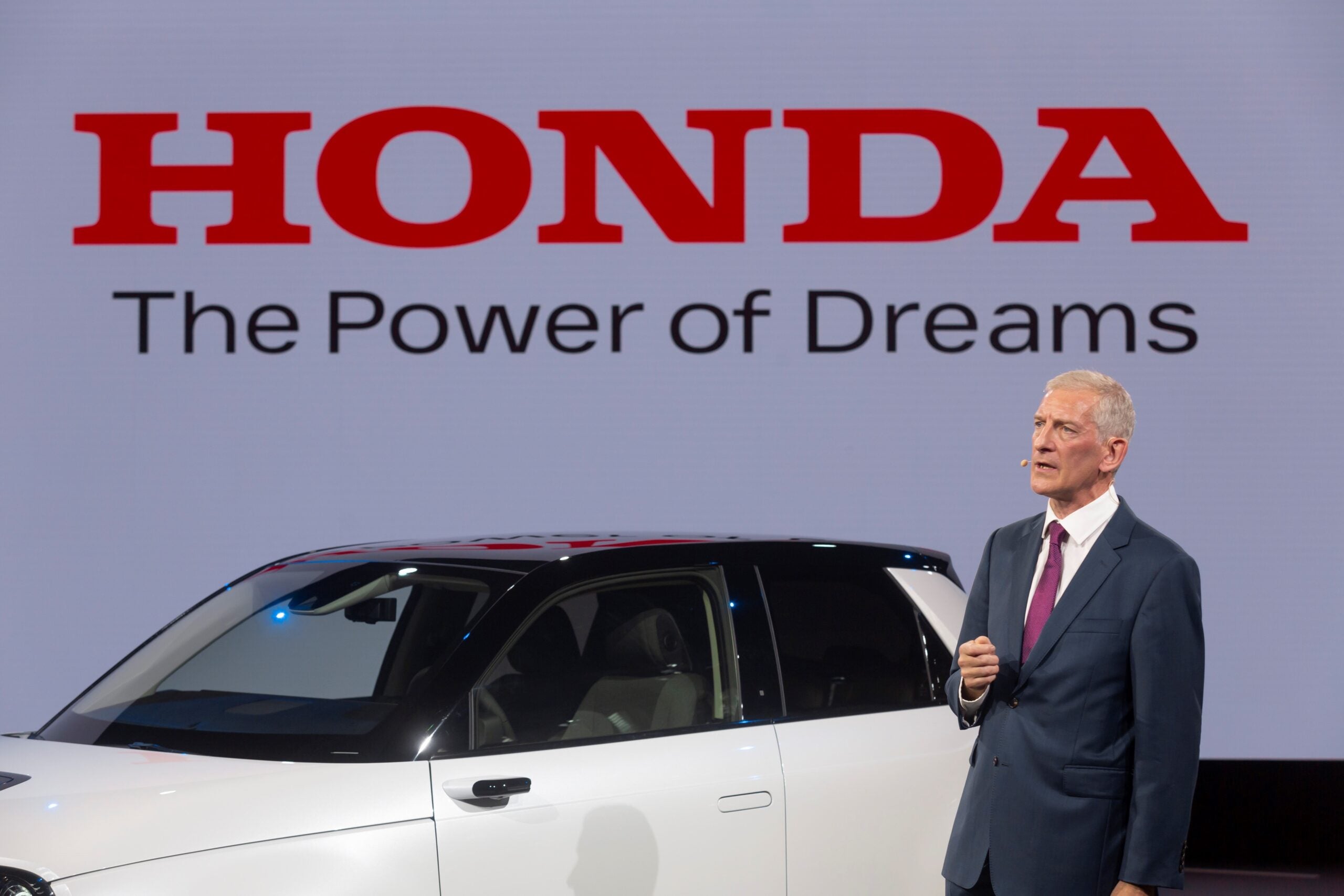
At the time, Tom Gardner, senior vice president of Honda Motor Europe, said: “Since we made that first pledge in March 2017, the shift towards electrification has gathered pace considerably. Environmental challenges continue to drive demand for cleaner mobility. Technology marches on unrelenting and people are starting to shift their view of the car itself.”
Further restrictions on motor emissions from the European Union are due to come into effect in 2020, dropping from 120.5 grams of CO2 per kilometre to 95 grams. All new cars built in the EU must be compliant in 2021.
In February, Honda announced it would be closing its only UK-based manufacturing plant in 2021. The Swindon-based plant currently produces 150,000 cars per year, and employs 3,500 people. The automaker said that the decision was based on its electrification strategy, which will see activities focused in regions where it expects to have high production volumes.
Katsushi Inoue, president of Honda Motor Europe, said: “In light of the unprecedented changes that are affecting our industry, it is vital that we accelerate our electrification strategy and restructure our global operations accordingly. As a result, we have had to take this difficult decision to consult our workforce on how we might prepare our manufacturing network for the future.”

US Tariffs are shifting - will you react or anticipate?
Don’t let policy changes catch you off guard. Stay proactive with real-time data and expert analysis.
By GlobalDataIn addition, Honda revealed it would be reducing its number of model variations by up to two-thirds by 2025. The carmaker said this would reduce production costs globally by 10%, freeing up more money for research and development projects.