
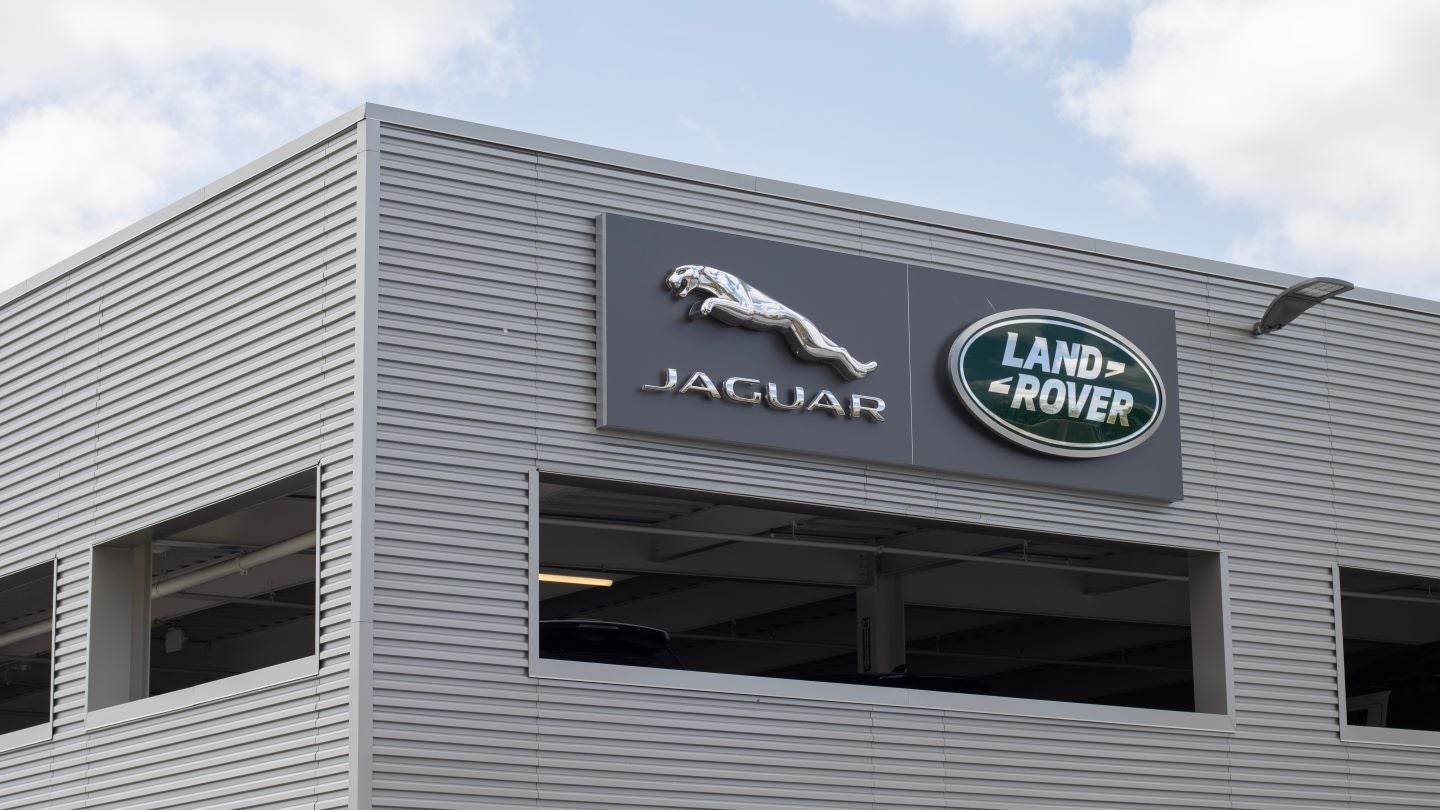
Jaguar Land Rover (JLR) production facilities in the UK have resumed normal operations following a lengthy suspension triggered by a cyberattack.
The shutdown, which began in September, forced the carmaker to halt operations.
Go deeper with GlobalData


Access deeper industry intelligence
Experience unmatched clarity with a single platform that combines unique data, AI, and human expertise.
JLR owner Tata Motors of India oversaw a phased resumption of manufacturing last month as systems were gradually restored.
In response to the crisis, the UK Government offered support through a guarantee aimed at enabling up to £1.5bn in commercial bank loans to help JLR stabilise its supply network following the incident.
The intervention was announced by Business Secretary Peter Kyle at the end of September.
In response to the cyber incident, JLR implemented several measures, including the restart of vehicle wholesale systems to support cash generation and the reopening of its Global Parts Logistics Centre to ensure continued customer service.
US Tariffs are shifting - will you react or anticipate?
Don’t let policy changes catch you off guard. Stay proactive with real-time data and expert analysis.
By GlobalDataThe company also introduced a supplier financing scheme, enabling qualifying suppliers to receive upfront payments during the production restart phase.
During the production downtime, JLR accelerated development and testing for its electrification programme, including underbody build validation and implementation of an advanced driver-assistance system (ADAS) testing rig at its Solihull facility.
The company also prepared for electrified modular architecture (EMA) readiness at Halewood, part of its strategy to invest £18bn over five years from FY24.
In a separate development, JLR’s second quarter (Q2) FY26 revenue fell to £4.9bn ($6.45bn), marking a 24% decrease from the previous year, while revenue in the first half (H1) dropped 16% to £11.5bn.
The company reported a loss before tax for exceptional items of £485m for the quarter and £134m for H1.
This compares with profits in the previous year and reflects both the impact of suspended production and US tariffs, along with planned reductions in legacy Jaguar lines.