
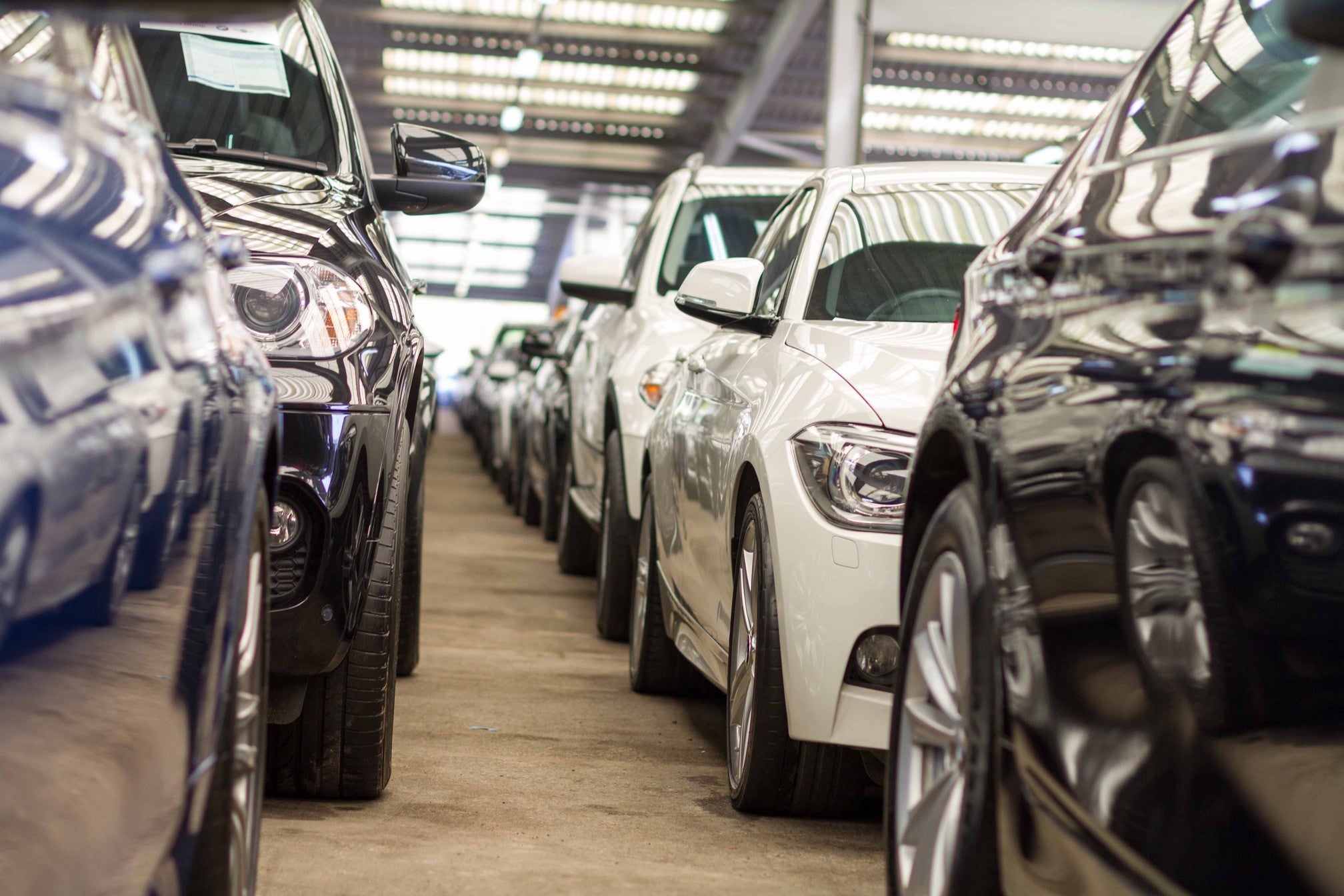
Registrations in the UK new car market fell 2.9% in February to 79,594, according to the latest figures from the Society of Motor Manufacturers and Traders (SMMT).
The decline was driven primarily by weak consumer confidence and uncertainty around fuel, according to the SMMT. Registrations by private buyers were responsible for the bulk of the overall loss, down 7.4% as 2,741 fewer people took delivery of new cars. Fleet demand remained stable, up by 31 registrations.
Go deeper with GlobalData


Access deeper industry intelligence
Experience unmatched clarity with a single platform that combines unique data, AI, and human expertise.
Demand for both diesel and petrol cars fell in the month, with registrations down 27.1% and 7.3% respectively, and diesel now accounting for just over a fifth of sales (21.9%).
Hybrids (HEVs) recorded an uplift of 71.9% to 4,154 units, while registrations of zero emission capable cars also continued to enjoy growth, with battery electric vehicles (BEVs) rising more than three-fold to 2,508 units and plug-in hybrids (PHEVs) up 49.9% to 2,058. However, these vehicles still make up just 5.8% of the market; and BEVs only 3.2%, showing the scale of the challenge ahead.
The SMMT has called on the government to use next week’s Budget to announce new measures to make ‘new-tech zero emission-capable cars’, including plug-in hybrids, more affordable for mass market buyers. In 2020, manufacturers will bring more than 23 new battery electric and 10 plug-in hybrid electric cars to the UK to add to the more than 65 already on sale, but take up of these new models depends on affordability and the provision of adequate charging infrastructure.
The SMMT also wants VAT removed from all new battery electric, plug-in hybrid and hydrogen fuel cell electric cars – which could reduce the price of an average family vehicle by around £5,600. By doing this, the SMMT predicts sales of EVs would increase by almost 1m between now and 2024 – resulting in a CO2 saving of 1.2m tonnes.

US Tariffs are shifting - will you react or anticipate?
Don’t let policy changes catch you off guard. Stay proactive with real-time data and expert analysis.
By GlobalData“Another month of decline for the new car market is especially concerning at a time when fleet renewal is so important in the fight against climate change,” said Mike Hawes, chief executive of the SMMT. “Industry has invested in the technology, with a huge influx of new zero- and ultra-low emission models coming to market in 2020, and we now need government to match this with a comprehensive package of incentives and infrastructure spending to accelerate demand.”
Industry reaction
Sue Robinson, director of the NFDA, said: “It is encouraging to see that the electric vehicle sector continues to perform well, but it is vital that consumers and businesses are supported going forward to ensure a gradual and successful transition to zero-emission engines. Vehicles need to be affordable, with a reliable and easy to access charging infrastructure, Government incentives and investments can help.”
Sean Kemple, director of sales at Close Brothers Motor Finance, said: “Compared to last year’s slight upturn, 2020 hasn’t seen the same solid start to the year with a disappointing 5.8% drop in year-on-year sales. Diesel demand continues to plummet, and petrol is also losing steam as buyers are being deterred in the face of a blanket ban.
“Crucially, the Budget holds the key to the next boost for the motor industry. For AFVs to be the future, the Government, manufacturers, dealers, and consumers must all work together to achieve the zero emissions goal.”
James Fairclough, chief executive of AA Cars, said: “AA Cars’ data confirms that more drivers are already actively considering going electric, and we saw a 54.3% increase in searches on our platform for electric vehicles following the Government’s announcement, but this surge in interest needs to be translated into sales.
“A commitment from the government in this month’s Budget to maintain the EV grant and build the [sufficient] charging infrastructure may encourage consumers to make the switch, and hopefully help the market settle down.”
Ian Plummer, commercial director at Auto Trader, said: “We may have left the European Union, but with negative headlines persisting, Brexit continues to cast a long shadow of uncertainty. What’s more, the feared slash in plug-in car grants in the forthcoming Budget will put at risk one of the few lifelines the industry has, potentially curbing the vital take-up of electric vehicles. If we add to the mix the threat of Covid-19 deterring people from visiting dealerships, as it has done in other markets, we’re clearly not out of the woods yet.”
Karen Hilton, chief commercial officer of heycar, said: “The new car market continues to be at the mercy of so many uncertainties that are stopping people from committing to a purchase. In uncertain times, consumers are now much more comfortable with their next car being a used one because of the variety of stock and deals that are available.”