
The UK government will open a consultation on reduced vehicle excise duty (VED) rates for greener generations of vans, chancellor of the Exchequer Philip Hammond has said in his spring budget update.
In November, Hammond announced an increase in first year VED rates for diesel vehicles registered before April 2018, going up by one band.
Go deeper with GlobalData


Access deeper industry intelligence
Experience unmatched clarity with a single platform that combines unique data, AI, and human expertise.
On Tuesday, however, Hammond said the government would consult on whether less polluting commercial vehicles could benefit from some form of relief on VED.
Motor Finance and Leasing Life asked the Department for Transport whether vans would have to be certified under Real Driving Emissions 2 (RDE2) standards to qualify for relief. At the time of writing, the Department had not replied. HM Treasury could not be contacted for comment.
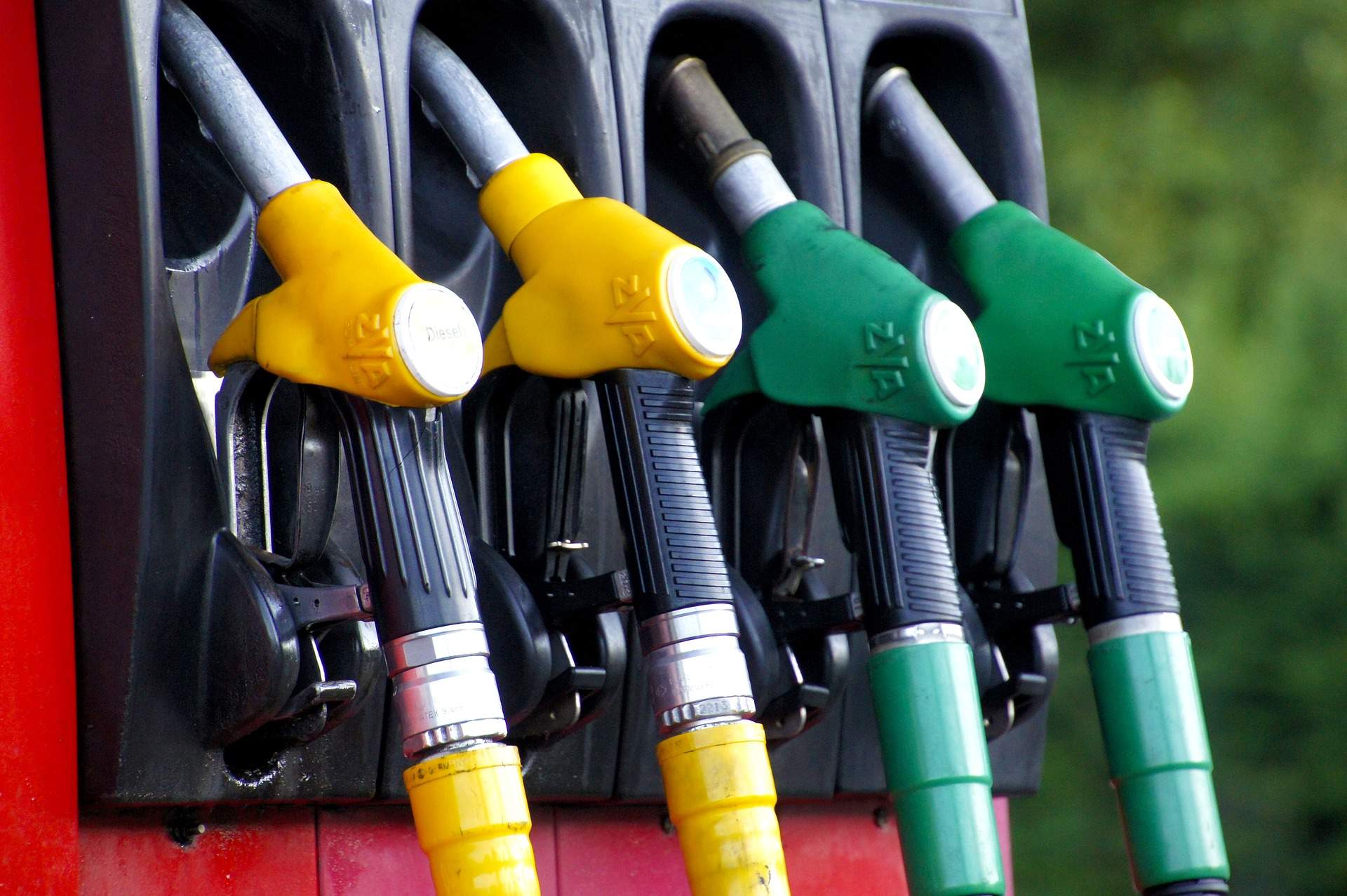
Hammond said the government would also call for evidence on whether red diesel tax relief for non-agricultural uses contributes to pollution in urban areas. According to the government, 15% of all diesel consumed in Britain is red diesel.
He also opened to proposals from England’s city authorities for a £840 (€948m) fund for transport infrastructure.
US Tariffs are shifting - will you react or anticipate?
Don’t let policy changes catch you off guard. Stay proactive with real-time data and expert analysis.
By GlobalDataThere was no announcement over electric vehicles (EVs) in the statement. Prior to the statement, the British Vehicle Rental and Leasing Association (BVRLA) had written to Hammond asking to speed up the introduction of a 2% benefit-in-kind (BIK) tax rate for company cars with zero emissions.
“Our members are keen to accelerate the uptake of newer and more efficient vehicles and are already responsible for the majority of plug-in registrations,” said BVRLA chief executive, Gerry Keaney.
“They tell us that the current Company Car Tax regime is making these vehicles less attractive to employees.”
Under current plans, BIK tax will rise to 16% by 2019/20, only dropping to the favourable 2% rate the following year.
In September, before the autumn budget, the BVRLA warned that a rise in BIK tax could push company drivers away from company cars towards PCHs on less clean vehicles.