
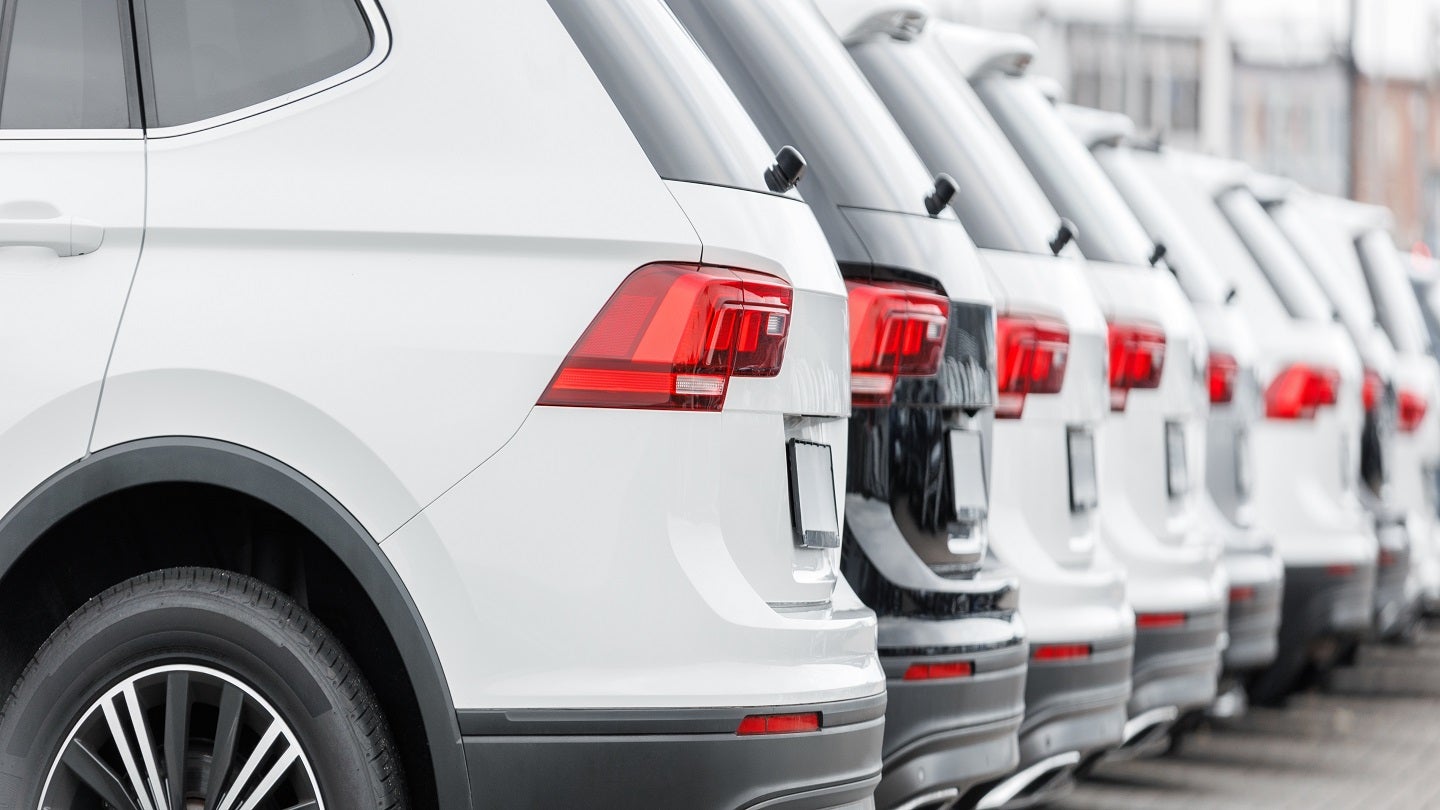
A recent survey by Startline Used Car Tracker has indicated that more than one-third of UK drivers think the number of SUVs on the road is excessive.
The July report reveals that 35% of respondents call for new rules to ensure safer SUV designs while 18% believe the automotive sector should prioritise promoting alternatives to SUVs.
Go deeper with GlobalData


Access deeper industry intelligence
Experience unmatched clarity with a single platform that combines unique data, AI, and human expertise.
Furthermore, 21% support increased taxation on SUVs due to their potential safety hazards, 19% propose limiting their use in areas with high pedestrian traffic, and 10% perceive SUV drivers as less cautious compared to those driving other vehicles.
Conversely, 32% argue that individuals should have the right to choose their preferred vehicle, including SUVs.
This survey was prompted by research showing a 44% greater risk of fatality for adults and an 82% greater risk for children when hit by an SUV compared to a conventional car.
Startline Motor Finance CEO Paul Burgess said: “SUVs have become the usual choice for most drivers in the UK who tend to like their higher seating position, adaptability for family life, and their go-anywhere image.
“However, our research shows there is a significant minority of people who are concerned about the increased safety risks that they bring, especially when it comes to pedestrians surviving impacts.
“It would probably be premature to say that there is a backlash against SUVs, but there’s clearly a high degree of unease about how common they have become on our roads.”
Earlier this month, July’s Startline Used Car Tracker revealed that 34% wouldn’t feel safe riding in a driverless car, and 26% feel they will never be as safe as a human driver.
According to the findings, 49% agree with a recent government decision to delay trials until 2027, and 29% feel it is also too early.