
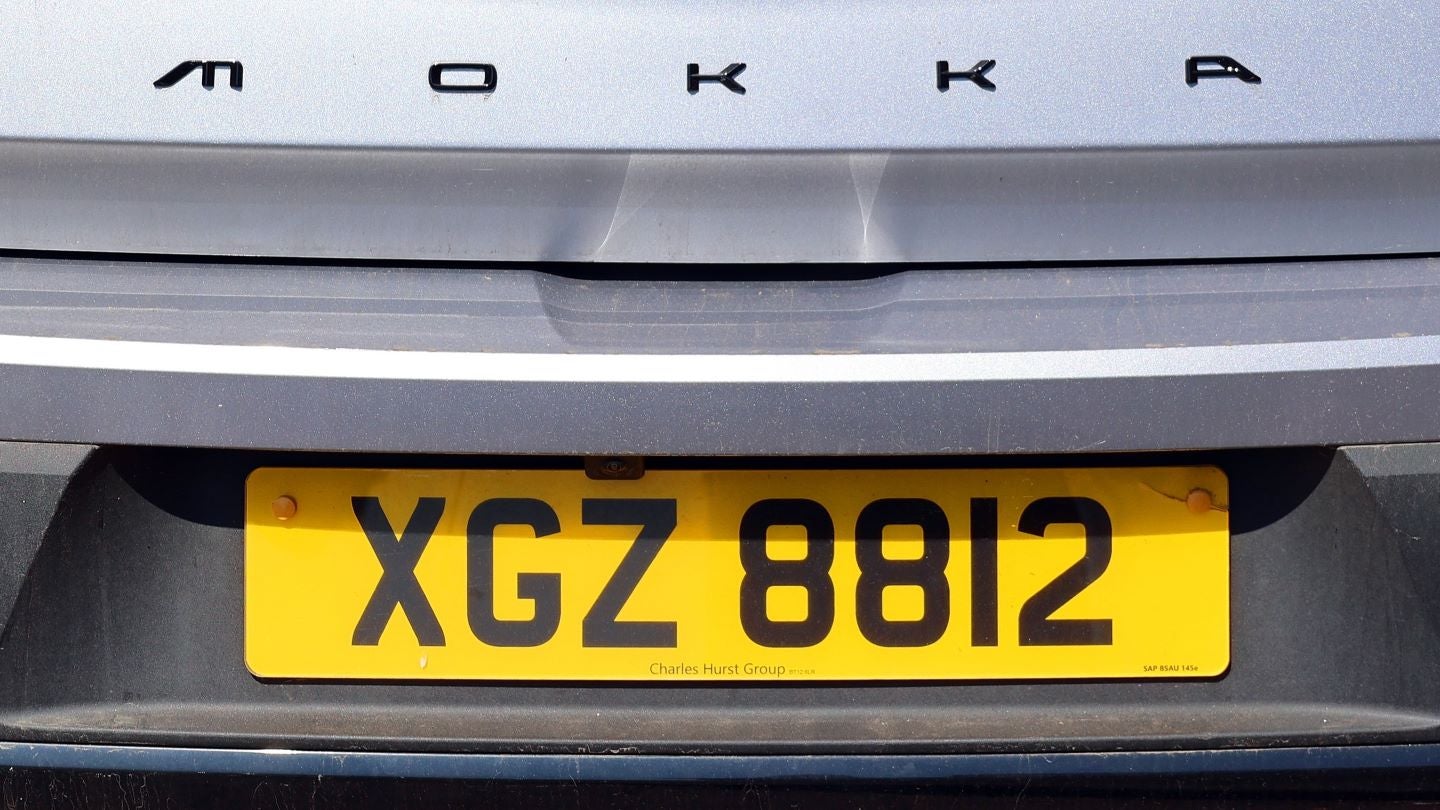
A new report from the All-Party Parliamentary Group for Transport Safety (APPGTS) has identified a UK number plate regulation crisis, warning that current vehicle plate systems are not effective enough to prevent their misuse by criminals and non-compliant drivers.
The report was launched after specialists and MPs raised concerns about potential threats connected with vehicle registration plates.

Access deeper industry intelligence
Experience unmatched clarity with a single platform that combines unique data, AI, and human expertise.
The UK’s Automatic Number Plate Recognition (ANPR) network records close to 90 million plates daily through more than 18,000 cameras.
However, its effectiveness is limited by insufficient control over how plates are made, distributed and monitored.
Findings suggest that approximately one in 15 vehicles may be using altered or non-compliant plates such as ‘ghost’ or stealth versions, designed to avoid ANPR detection.
These can be easily bought online from suppliers not subject to adequate checks, helping users avoid tolls, congestion charges, and fines.

US Tariffs are shifting - will you react or anticipate?
Don’t let policy changes catch you off guard. Stay proactive with real-time data and expert analysis.
By GlobalDataA number of groups use ANPR-resistant plates to support activities including unlicensed trading, drug sales and other organised crimes such as human trafficking and smuggling.
The investigation found gaps in the system for producing number plates, with 34,455 suppliers registered with the DVLA, some operating from private homes or small workshops.
There are no mandatory background checks for these suppliers, and some have convictions related to violence or fraud.
There is also an increase in cases where ordinary motorists have their registration details copied by criminals for cloned plates.
This can result in individuals wrongly accused of offences, facing fines or police action.
Further evidence shows tampering is common among taxi drivers looking to avoid road fees, making it harder for authorities to identify vehicles when necessary.
Transport for London (TfL) has been monitoring the situation by using specialist cameras able to detect altered plates.
During one set of checks on 1,000 vehicles, 41% had non-compliant plates.
Since July 2023, increased enforcement led TfL to issue more than 4,200 fines. Later checks on 800 vehicles saw non-compliance drop to 38%, indicating some positive results from these efforts.
The APPGTS report concludes that weaknesses in registration systems leave a “gaping hole” in security infrastructure exploitable with basic materials such as cellophane, leaves, or marker pens.
Recommendations include revising the plate system throughout its production and supply chain, standardising the design with new security elements that align with international standards and banning 3D and 4D plates.
Additionally, it extends to reducing the number of licensed sellers through annual fees and audits, removing sellers who do not comply, increasing penalties and adding penalty points for offenders.
Repeat offenders could have their vehicles confiscated as part of stronger enforcement measures.
Motor Insurers’ Bureau (MIB) uninsured driving prevention head Martin Saunders said: “MIB exists to protect people from the devastation of uninsured and hit and run drivers. The increasing damage done by drivers of vehicles hiding in plain sight on our road system should not be tolerated.
“There is an urgent need for a partnership approach to implement the recommendations made in this report to make our road system safer and ensure every vehicle is able to be quickly and readily identified by the number plate it exhibits.”
Last month, a parliamentary inquiry began to examine the use of illegal vehicle number plates in response to growing concerns raised by police, motor industry experts, and members of parliament (MPs) over non-compliant plates and their effect on law enforcement.