
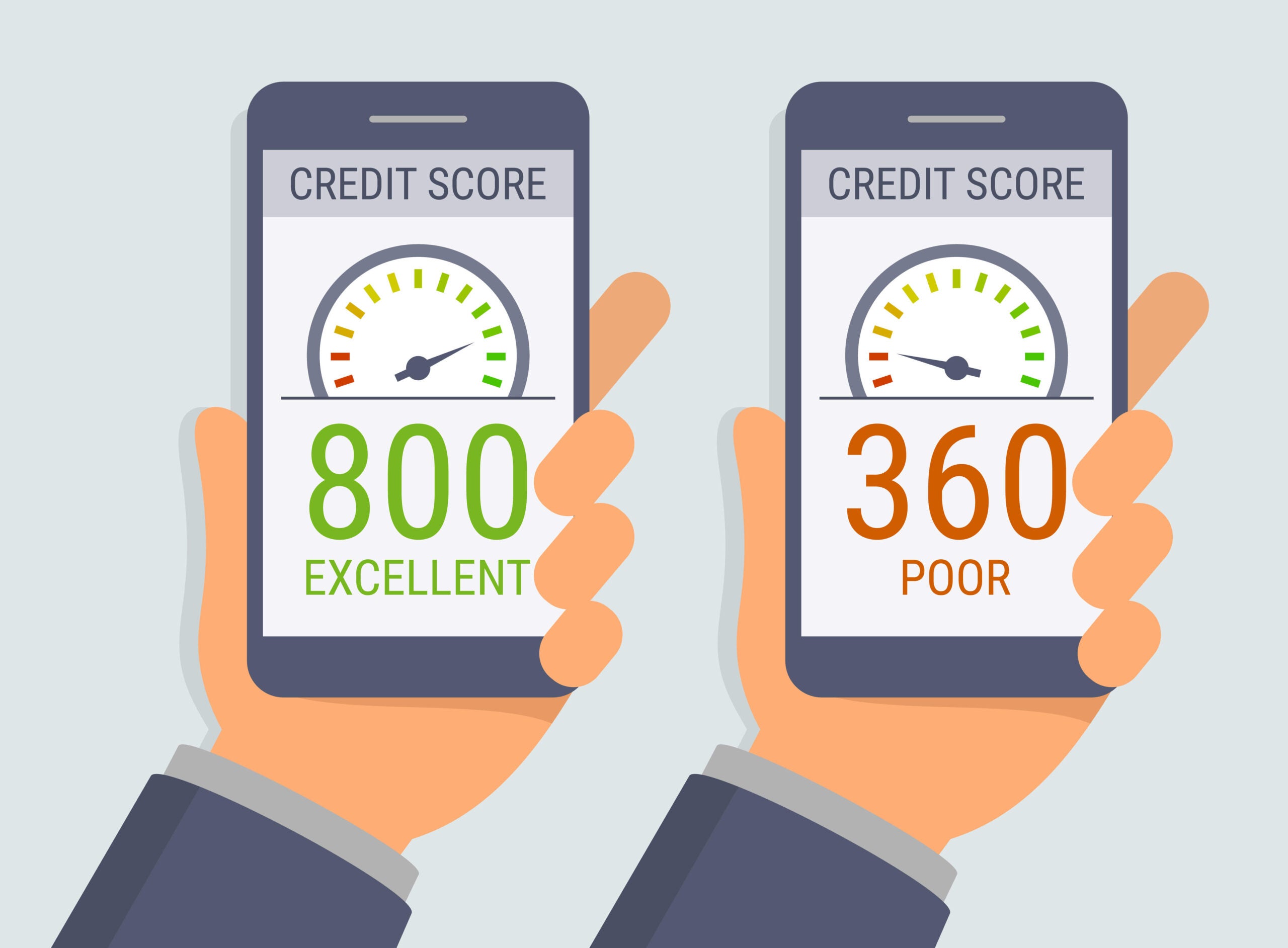
The term “subprime” became part of everyday language in the aftermath of the 2008 credit crunch. The word used to be mostly associated to mortgages, but has since been used to describe customer bands in all consumer credit sectors – from retailer finance to credit cards to cars.
Put simply, subprime customers are those at the bottom of the credit quality spectrum – the polar opposite of prime ones. Counter-intuitive as it may sound, there is a range of categories between the two – for example, non-prime and near-prime – meaning that not every borrower that is not eligible for prime lending would automatically fall into subprime.

Access deeper industry intelligence
Experience unmatched clarity with a single platform that combines unique data, AI, and human expertise.
The UK has no clear-cut definition of “subprime” – in the US, the virtually-official FICO credit scale puts it between a score of 550 and 620 – and scorecards vary between the three big credit bureaus: Experian, Equifax and CallCredit.
In general, a borrower inches closer to subprime if they default on their credit agreement, are denied credit on multiple occasions (which can create a vicious circle), are in unstable or low-salary employment, or do not own equity in a property (although the Financial Conduct Authority (FCA), the UK watchdog, is looking into making credit more accessible to “generation rent”).
Of course, these factors are often interlinked, and can reinforce each other: a car finance applicant is unlikely to be on a £50,000 salary and not have invested in a property before – though millennial’s shifting life patterns are putting these assumptions to the test.
The subprime lending sector is populated by types of credit that would not find a market in higher credit score brackets. Guarantor, payday and doorstep loans are some examples.

US Tariffs are shifting - will you react or anticipate?
Don’t let policy changes catch you off guard. Stay proactive with real-time data and expert analysis.
By GlobalDataIn the car finance market, a number of lenders have put forward subprime or non-prime propositions: paradoxically, the security held against the financed vehicle makes a car finance agreement more suited to those with a higher chance of default, compared to an unsecured personal loan, which was the dominant route to buying a car until the 1990s. Interest rates on subprime credit agreements can vary anywhere between 25% and 49.9%, depending on the security involved and other factors.
While the term has gotten a bad reputation post-2008 – due to what were effectively irresponsible underwriting and securitisation practices – subprime lending does allow for otherwise un-financeable borrowers to get on the housing ladder, or to acquire the vehicle they need to commute to work every day. Nevertheless, its customers are by definition those in the most financially vulnerable section of society – meaning lenders should routinely expect scrutiny on part of watchdogs like the FCA.