
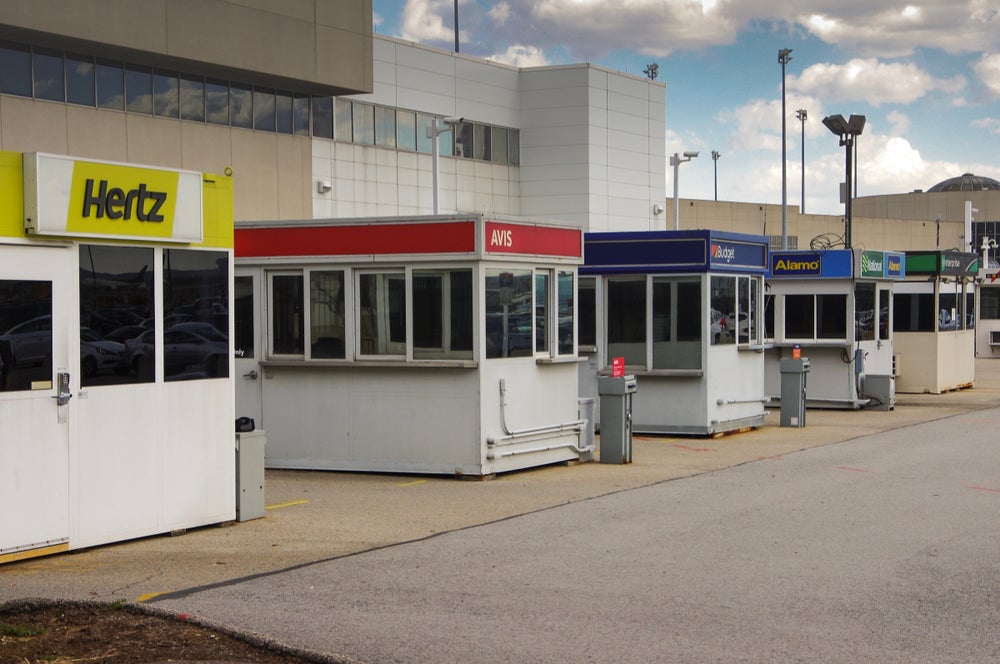
Significant vehicle recalls in the United States are creating near-term earnings and operational headwinds for car rental operators, according to Fitch Ratings.
The agency noted that “sustained recall trends could undermine fleet modernisation strategies” designed to reduce depreciation per unit and improve customer satisfaction, potentially delaying margin recovery.
Go deeper with GlobalData


Access deeper industry intelligence
Experience unmatched clarity with a single platform that combines unique data, AI, and human expertise.
The U.S. Department of Transportation reported approximately 9.8 million vehicle recalls in the third quarter of 2025, the highest level since early 2024.
Rental operators have been disproportionately affected due to their reliance on recently manufactured vehicles. Ford accounted for around 55% of affected units during the quarter. Fitch highlighted that increased vehicle complexity, software integration issues and supply chain interdependencies across original equipment manufacturers are contributing factors.
Recalled vehicles typically remain out of service for longer than standard maintenance periods, placing pressure on fleet utilisation and management.
Fitch observed that “timing uncertainty around parts availability and repair completion prevents accurate near-term capacity planning,” adding to operational complexity. Rental companies have limited recourse to recover recall-related losses, as OEMs provide repairs but do not compensate for lost utilisation or revenue.
Operational impact varied between Hertz and Avis in the third quarter. Avis reported 5% of its Americas fleet under recall, compared with Hertz’s 2%. Two-thirds of Avis’s recalled vehicles were awaiting parts, reducing utilisation and increasing fleet costs. Hertz achieved utilisation of 84% in the quarter, supported by fleet tightening and process improvements, but expects recalls to continue weighing on operations.
Both firms have lowered guidance, citing recall uncertainty alongside other factors such as government shutdown impacts and system outages.
Fitch suggested that recall-driven supply constraints may support pricing discipline, partially offsetting revenue pressures. The agency expects EBITDA margins to return to single-digit levels in 2026, consistent with pre-pandemic performance, provided recall rates ease and OEM supply chains stabilise.
Liquidity remains adequate. Hertz reported $2.2 billion in corporate liquidity at the end of the third quarter, while Avis held $1 billion. Both are supported by vehicle borrowing capacity. Avis faces no corporate refinancing until July 2027, while Hertz has $500 million in senior unsecured notes maturing in December 2026, partially addressed through a $375 million exchangeable notes issuance in September 2025.
Fitch cautioned that the sector continues to face “earnings volatility and cyclicality tied to economic conditions and travel demand.” Residual value risk, depreciation exposure, reliance on wholesale funding and execution risk in fleet management remain key considerations for operators.