
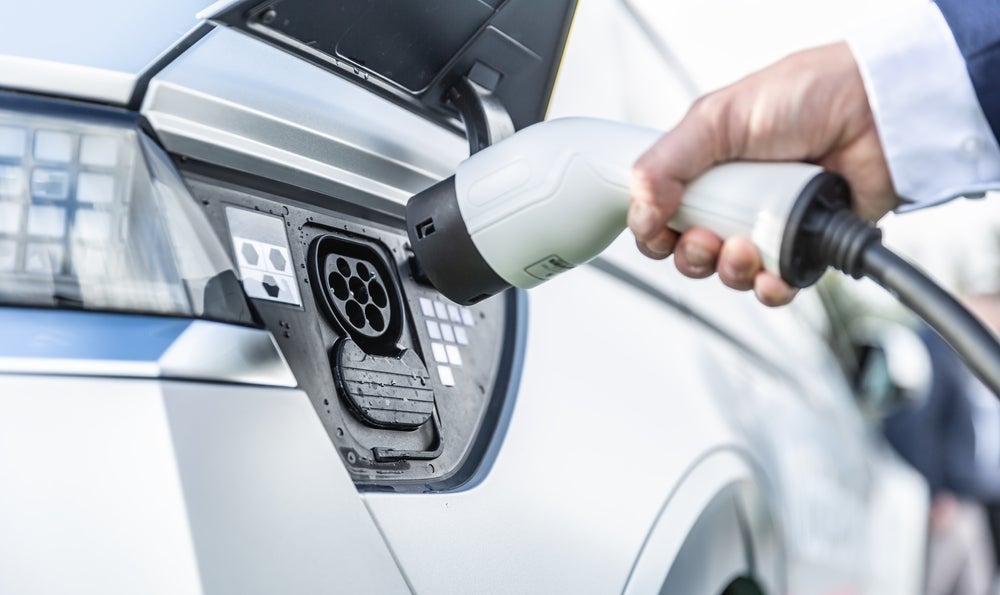
A new report from the Centre for European Policy Studies (CEPS), supported by the European Automobile Manufacturers’ Association (ACEA), has raised alarm over persistent barriers slowing Europe’s electric vehicle (EV) transition, highlighting high production costs, supply chain fragility, and inadequate charging infrastructure as key concerns.
The report, shaped by expert researchers and stakeholders, warns that the shift to EVs “requires a significant transformation of existing supply and value chains,” which will have deep repercussions on jobs, investment flows, and the EU’s global competitiveness.
Go deeper with GlobalData


Access deeper industry intelligence
Experience unmatched clarity with a single platform that combines unique data, AI, and human expertise.
Europe stands at a “critical turning point,” the authors argue, with consumer adoption still held back by “insufficient charging infrastructure, high total cost of ownership, and limited consumer confidence”, factors that are contributing to an ageing vehicle fleet across the continent.
EV costs, jobs, and value chain concerns
The report paints a stark picture of the cost gap between supply and demand. CEPS analysts found that average battery-electric vehicle (BEV) prices would need to hover around €45,000 to sustain current manufacturer pricing structures, yet average consumer willingness to pay is “only €20,000.”
That disconnect is compounded by the risk to European value-added content in vehicle manufacturing. Whereas internal combustion engine vehicles (ICEVs) typically retain 85–90% EU value-added content, this drops to just 70–75% for BEVs due to shifts in production processes and globalised supply chains.
“This transition,” the report notes, “will also impact the types of labour and skills needed in the industry,” raising further concerns over potential job losses in ICEV-related manufacturing, even as new EV jobs emerge. Retraining and upskilling are seen as essential.

US Tariffs are shifting - will you react or anticipate?
Don’t let policy changes catch you off guard. Stay proactive with real-time data and expert analysis.
By GlobalDataBattery and charging investment needs ‘massive’
On the infrastructure front, the investment needs are striking. The EU will require an estimated €172 billion by 2030 to build out charging networks—but slow permitting and grid connection processes remain major bottlenecks.
Similarly, battery production, where Europe remains heavily reliant on China, demands around €42 billion in annual investment to build a competitive domestic supply chain, the report adds.
Without urgent action, CEPS warns, the EU risks falling behind in a global race for EV leadership. “Establishing a sufficient supply chain and achieving manufacturing scale will be key,” the report concludes.