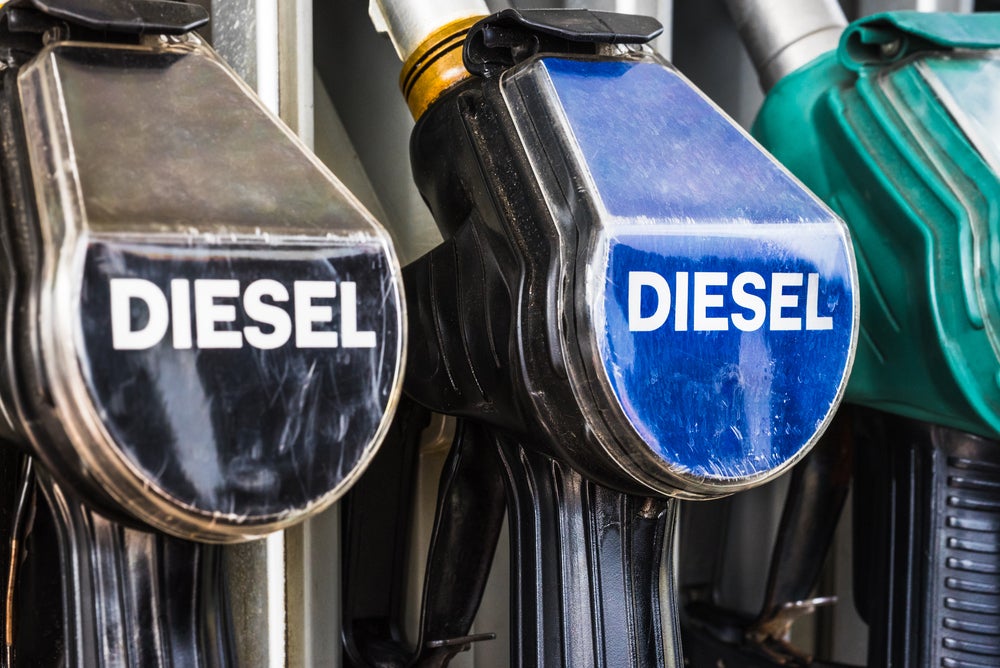
A landmark class action has opened in the High Court against five major car manufacturers accused of using illegal “defeat devices” to cheat emissions tests, the latest and potentially largest chapter in the decade-long “dieselgate” saga.
The case, which began on 13 October before Lady Justice Cockerill, brings together claims from around 220,000 UK car owners against Mercedes, Ford, Peugeot/Citroën, Renault and Nissan, alleging the firms misled consumers by selling diesel vehicles that produced far higher emissions in real-world driving than under official test conditions.
Go deeper with GlobalData


Access deeper industry intelligence
Experience unmatched clarity with a single platform that combines unique data, AI, and human expertise.
The BBC reported that Lawyers for the claimants say the manufacturers “chose to cheat rather than comply with the law,” in the words of Thomas De La Mare KC, who opened proceedings for the car owners. He argued that carmakers “took a conscious decision” to prioritise performance and convenience over emissions compliance, a claim backed, he said, by research from the Centre for Research on Energy and Clean Air, which attributes more than 120,000 premature deaths across Europe to excess nitrogen oxide emissions since 2009.
However, the manufacturers strongly deny any wrongdoing, insisting their engines complied fully with the regulations in force at the time.
In written submissions, Alexander Antelme KC, representing Renault, dismissed the claims as “without merit and untenable,” arguing that the technologies challenged by claimants were “appropriate and necessary elements of a well-designed diesel engine.”
Neil Moody KC, for Ford, described the allegations as “scientifically illiterate” and “flawed on the facts and the law,” calling suggestions of a coordinated industry conspiracy “implausible.”
US Tariffs are shifting - will you react or anticipate?
Don’t let policy changes catch you off guard. Stay proactive with real-time data and expert analysis.
By GlobalDataThe High Court has selected the five carmakers as lead defendants to test the central allegations in what is expected to become the largest group action in UK legal history, potentially expanding to cover as many as 1.6 million vehicles and involving 14 manufacturers in total.
What’s at stake
According to Martyn Day, senior partner at claimant firm Leigh Day, the value of claims across the industry could run into billions if the court rules in favour of consumers. Speaking outside the court yesterday, Day told BBC Radio 4:
“We represent, between us, something like 1.8 million claims being brought against the industry, which obviously would be worth a lot of money if we’re successful.”
Day added that the trial’s outcome could have regulatory implications:
“One of the issues is, should these cars be on the road if they are pumping out far more emissions than was ever considered when the regulations came in?”
The carmakers involved have maintained consistent public positions that their diesel vehicles were lawful and compliant. Talking to the BBC, a spokesperson for Mercedes said the emissions control systems at issue were “justifiable from a technical and legal standpoint.” Renault and Stellantis (which owns Peugeot and Citroën) said their vehicles “were compliant with regulations at the time.” Ford and Nissan have also said they consider the claims “without merit.”
Broader Industry Context
The case follows earlier litigation against Volkswagen, which admitted in 2015 to installing software designed to manipulate emissions test results. VW has since paid more than €32 billion globally in fines and settlements, including £193 million to 91,000 UK motorists in 2022 after settling out of court.
While Volkswagen is not a party to this new trial, the principles established in its settlement are likely to influence the court’s handling of the current claims.
Next steps
The current trial, expected to run until December 2025, will primarily examine whether the carmakers’ emissions systems constituted “defeat devices” under EU and UK law. Detailed legal arguments are scheduled for March 2026, with a judgment on liability anticipated by summer 2026. If the court finds against the manufacturers, a subsequent phase will determine the level of compensation owed to affected drivers.
Campaign groups including Mums for Lungs and clean air advocate Rosamund Adoo-Kissi-Debrah gathered outside the court on Monday, highlighting the public health impact of nitrogen dioxide pollution, a reminder that the outcome of this case extends beyond the balance sheets of carmakers and claimants.
For the UK’s motor finance and retail sectors, the stakes are equally high. A ruling against the manufacturers could reshape residual value assumptions, regulatory scrutiny, and consumer trust in diesel vehicles still circulating on UK roads.